






White House Defends Seizure of Oil Tanker Near Venezuela
In a recent statement, White House press secretary Karoline Leavitt defended the U.S. government’s decision to seize an oil tanker near Venezuela. This move has sparked significant discussions about international law, the implications of such actions, and the broader geopolitical landscape. The U.S. government claims this operation is part of its ongoing efforts to enforce sanctions against the Venezuelan regime and disrupt illicit oil trade that finances criminal activities. This article will delve deeper into the details surrounding this event, the implications of the seizure, and the reactions it has garnered both domestically and internationally.
Quick Takeaways
- The U.S. has seized an oil tanker near Venezuela as part of its sanctions enforcement.
- White House press secretary Karoline Leavitt has defended this action.
- An investigative team is collecting evidence related to the seizure.
- The seizure aims to disrupt the financing of criminal activities connected to the Venezuelan regime.
- This event highlights the ongoing tensions between the U.S. and Venezuela.
- The seizure raises questions about international law and maritime rights.
- The U.S. intends to seize the oil aboard the tanker.
- This incident could have repercussions on U.S.-Venezuela relations.
The Context of the Seizure
The seizure of the oil tanker near Venezuela is not an isolated incident but rather part of a broader strategy by the U.S. government to combat the illicit oil trade that has been a significant revenue source for the Venezuelan government. Venezuela, once one of the richest countries in South America due to its vast oil reserves, has faced an economic collapse exacerbated by U.S.-led sanctions. The objective of these sanctions is to pressure the Maduro regime into political reform.
The Role of Sanctions
Sanctions have been a critical tool for the U.S. in its foreign policy arsenal, particularly against nations perceived as threats to global stability. By targeting Venezuela’s oil industry, the U.S. aims to cut off funds that could be used to sustain the Maduro government and its alleged human rights abuses. The legality of such sanctions and actions often leads to contentious debates among international law experts.
International Reactions
The seizure has drawn mixed reactions from the international community. While some countries support the U.S. stance against the Venezuelan government, others criticize it as an infringement on sovereign rights. These differing viewpoints highlight the complexities of international relations and the challenges of enforcing sanctions without provoking further tensions.
Legal Implications
The legal ramifications of seizing a vessel in international waters can be complex. The U.S. maintains that its actions are justified under international law, citing the need to combat terrorism and drug trafficking. However, critics argue that such actions could set dangerous precedents for maritime law and international relations.
Investigative Efforts
According to Leavitt, an investigative team is currently collecting evidence and conducting interviews related to the seizure. This investigation aims to ensure that all actions taken by the U.S. are legally sound and justified under the current international framework.
Impact on U.S.-Venezuela Relations
This incident is likely to further strain U.S.-Venezuela relations, which have been fraught with tension for years. The seizure of the oil tanker may provoke retaliatory actions from the Venezuelan government and could complicate any future diplomatic efforts aimed at resolving the ongoing crisis in the country.
Future Considerations
As the situation unfolds, it will be essential for policymakers to consider the broader implications of such actions on international relations, trade, and regional stability. The U.S. must navigate a delicate balance between enforcing sanctions and fostering dialogue to achieve a peaceful resolution to the Venezuelan crisis.
Conclusion
The recent seizure of an oil tanker near Venezuela by the U.S. government highlights the complexities of international law and the ongoing geopolitical tensions in the region. White House press secretary Karoline Leavitt’s defense of the action underscores the U.S. commitment to enforcing sanctions against the Venezuelan regime, aiming to disrupt funding for activities perceived as harmful to democracy and human rights. As investigations continue and international reactions unfold, the implications of this incident will be closely monitored by political analysts and world leaders alike. It remains to be seen how this move will affect U.S.-Venezuela relations and the broader geopolitical landscape in Latin America. The commitment to uphold international law while enforcing sanctions presents a challenging yet necessary path for the U.S. in its foreign policy approach.
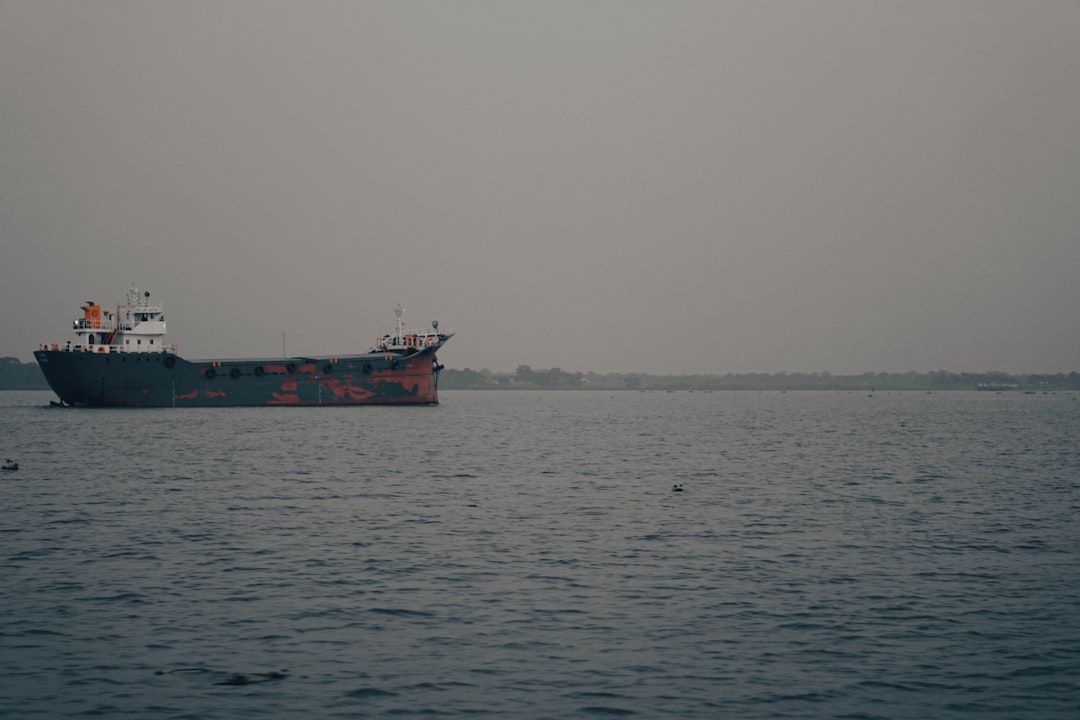
Photo by Saimum Islam Rumi on Unsplash


