






Trump Promises Retaliation After U.S. Soldiers Killed in Syria
In a statement that reverberated through the halls of power and across the globe, President Donald Trump addressed the tragic deaths of two U.S. Army soldiers and a civilian U.S. interpreter killed in an attack in Palmyra, Syria. The President made it clear that action would be taken, asserting the U.S. would ‘retaliate’ against those responsible for this heinous act.
This incident marks a significant moment in U.S.-Syria relations, particularly as the region navigates through complex political changes under a new regime. While the immediate focus is on the loss of life and calling for justice, the potential for escalating military involvement raises questions about U.S. strategy in the Middle East.
Quick Takeaways
- Two U.S. Army soldiers and a civilian interpreter were killed in Syria.
- President Trump announced plans to retaliate against the attackers.
- The incident occurred in Palmyra, a strategically significant city.
- The new Syrian regime’s cooperation with the U.S. is under scrutiny.
- This event may alter U.S. military strategy in the region.
- Public sentiment is polarized regarding military engagement in Syria.
- International responses to the attack are being monitored closely.
The Context of the Attack
Understanding the broader context of the attack is crucial. Syria has been embroiled in a civil war for years, with various factions vying for control. The location of Palmyra, once a UNESCO World Heritage site, has seen intense conflict due to its strategic importance.
U.S. Military Presence in Syria
The U.S. has maintained a military presence in Syria primarily to combat ISIS and support local forces. The recent attack raises concerns about the safety of American personnel embedded in such volatile environments.
Trump’s Response: A Call for Action
In his remarks, President Trump emphasized that the U.S. will not tolerate attacks on its soldiers. This rhetoric resonates with his administration’s broader policy of a strong military posture in the face of threats.
Potential Retaliatory Measures
While specifics of the retaliation were not disclosed, historical precedent suggests it could involve airstrikes or increased military support for allied forces in Syria. The administration must weigh the risks of escalation against its strategic objectives.
International Reactions
The international community is watching closely. Allies in the region may support U.S. actions, while adversaries could exploit the situation to further destabilize the area.
Implications for Syria’s New Regime
The new Syrian regime’s response to this incident will be critical. Their cooperation or lack thereof with U.S. forces could shape future military and diplomatic relations.
Public Opinion and Military Engagement
Public opinion on military engagement in Syria remains divided. While some support strong action against terrorism, others advocate for a more cautious approach focused on diplomacy.
Challenges in U.S.-Syria Relations
U.S.-Syria relations have historically been fraught with challenges. The attack on American personnel could exacerbate existing tensions and complicate diplomatic efforts.
Future of U.S. Policy in the Middle East
The U.S. must reassess its policy in the Middle East in light of this incident. Balancing military action with diplomatic efforts will be key to achieving long-term stability.
Conclusion: Moving Forward
As the U.S. grapples with the aftermath of this tragic event, the path forward is laden with uncertainty. President Trump’s commitment to retaliate signals a potential escalation in military involvement, but the administration must tread carefully to avoid further entanglement in Syria’s complex conflict. The loss of American lives is a somber reminder of the stakes involved in foreign military engagements. As we await further developments, the focus must remain on ensuring the safety of American personnel while navigating the intricacies of international diplomacy and regional stability.
Related Resources
- NBC Politics Section
- U.S. Department of Defense
- U.S. Department of State
- United Nations Peacekeeping
Frequently Asked Questions
- What happened in Palmyra, Syria?
- Two U.S. Army soldiers and a civilian interpreter were killed in an attack.
- What did President Trump say about the attack?
- Trump stated that the U.S. would retaliate against those responsible.
- How might the U.S. retaliate?
- Potential measures include airstrikes or increased military support.
- What is the significance of Palmyra?
- Palmyra is strategically important and has been a conflict zone.
- How does this affect U.S.-Syria relations?
- This incident could complicate diplomatic efforts and military strategy.
- What is the public opinion on military action in Syria?
- Public sentiment is mixed, with some favoring strong action and others preferring diplomacy.
- What are the broader implications for U.S. foreign policy?
- The U.S. may need to reevaluate its approach to military engagement in the Middle East.
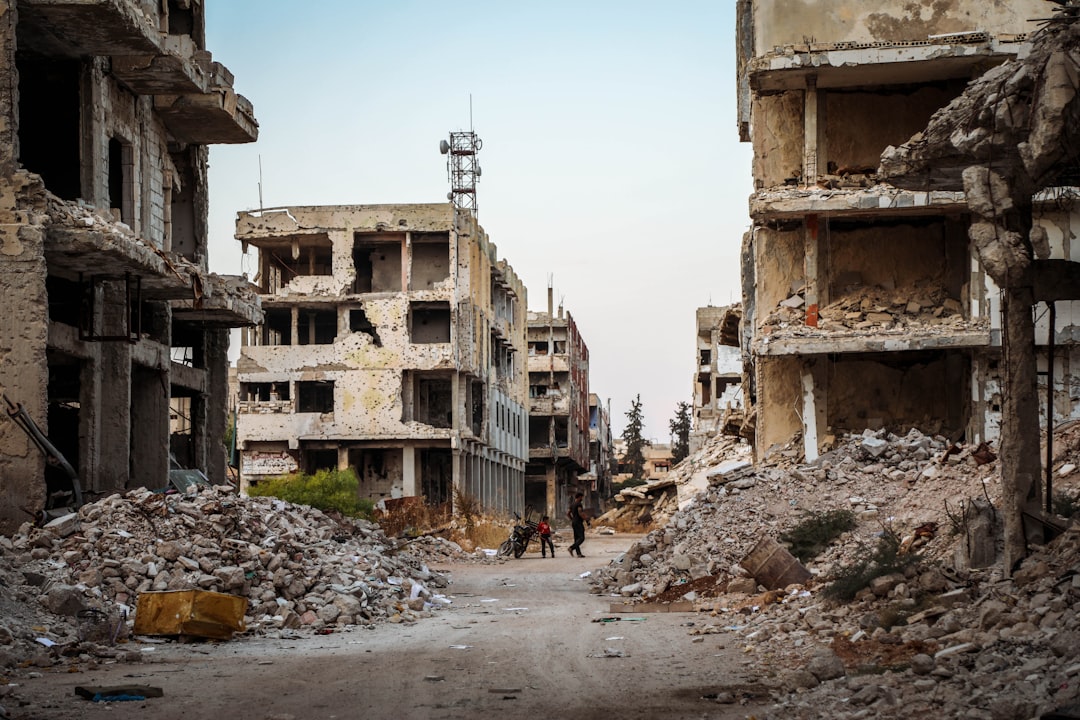
Photo by Mahmoud Sulaiman on Unsplash


