





Quick Navigation
My Personal Experience with Refugee Crisis
Last year, I was volunteering with a humanitarian organization that helped refugees in Europe. I saw firsthand how social media can be both a blessing and a curse for refugees. On one hand, it provides a platform for them to share their stories and connect with others who can help. On the other hand, it can also spread disinformation and fuel xenophobia.
I remember one particular incident where a false rumor about a refugee camp spread like wildfire on social media, causing panic among the local community. It took us hours to debunk the rumor and calm everyone down. This experience taught me the importance of fact-checking and verifying information before sharing it online.
The Power of Social Media in Humanitarian Work
Social media can be a powerful tool for humanitarian work, but it requires careful management. I’ve seen how social media campaigns can raise awareness about important issues, mobilize support, and even help raise funds for refugee relief efforts. For example, the UNHCR uses social media to share stories of refugees and promote empathy and understanding.
However, social media can also be a double-edged sword. Disinformation and hate speech can spread quickly, causing harm to refugees and undermining humanitarian efforts. That’s why it’s essential to use social media responsibly and to fact-check information before sharing it.
Combating Disinformation with Fact-Checking
One of the most effective ways to combat disinformation is through fact-checking. There are several fact-checking websites and tools available, such as Snopes and FactCheck.org, that can help verify the accuracy of information. I also use social media monitoring software like Hootsuite to track conversations and identify potential disinformation campaigns.
Another approach is to use social media analytics tools like Brandwatch to monitor online conversations and identify trends. This can help humanitarian organizations anticipate and respond to disinformation campaigns more effectively.
Challenging Common Assumptions
One common assumption about refugees is that they are a burden on the host country. However, studies have shown that refugees can actually contribute to the economy and society in positive ways. For example, a study by the OECD found that refugees can help fill labor gaps and stimulate economic growth.
Another assumption is that social media is only useful for raising awareness, but not for taking action. However, I’ve seen how social media can be used to mobilize support, raise funds, and even provide direct assistance to refugees. For example, the International Rescue Committee uses social media to recruit volunteers and raise funds for refugee relief efforts.
Practical Advice for Humanitarian Workers
If you’re a humanitarian worker or simply someone who wants to help refugees, here are some practical tips for using social media effectively:
- Verify information before sharing it online
- Use fact-checking websites and social media monitoring software to track conversations and identify disinformation campaigns
- Use social media analytics tools to monitor online conversations and identify trends
- Engage with online communities and respond to comments and messages in a timely and respectful manner
Conclusion
Social media can be a powerful tool for humanitarian work, but it requires careful management and responsible use. By verifying information, using fact-checking tools, and engaging with online communities, we can harness the power of social media to help refugees and promote positive change.
FAQs
What is the best way to verify information on social media?
Use fact-checking websites like Snopes and FactCheck.org to verify the accuracy of information before sharing it online.
How can I use social media to help refugees?
Use social media to raise awareness, mobilize support, and raise funds for refugee relief efforts. You can also use social media to recruit volunteers and provide direct assistance to refugees.
What are some common assumptions about refugees that are incorrect?
Some common assumptions about refugees include the idea that they are a burden on the host country or that they are a security threat. However, studies have shown that refugees can actually contribute to the economy and society in positive ways.
What are some tools and resources available for humanitarian workers?
Some tools and resources available for humanitarian workers include social media monitoring software like Hootsuite, fact-checking websites like Snopes, and social media analytics tools like Brandwatch.
How can I get involved in refugee relief efforts?
You can get involved in refugee relief efforts by volunteering with humanitarian organizations, donating to reputable charities, and using social media to raise awareness and mobilize support.
You Might Also Like
Written by George · The Curious Loop · Updated August 12, 2026
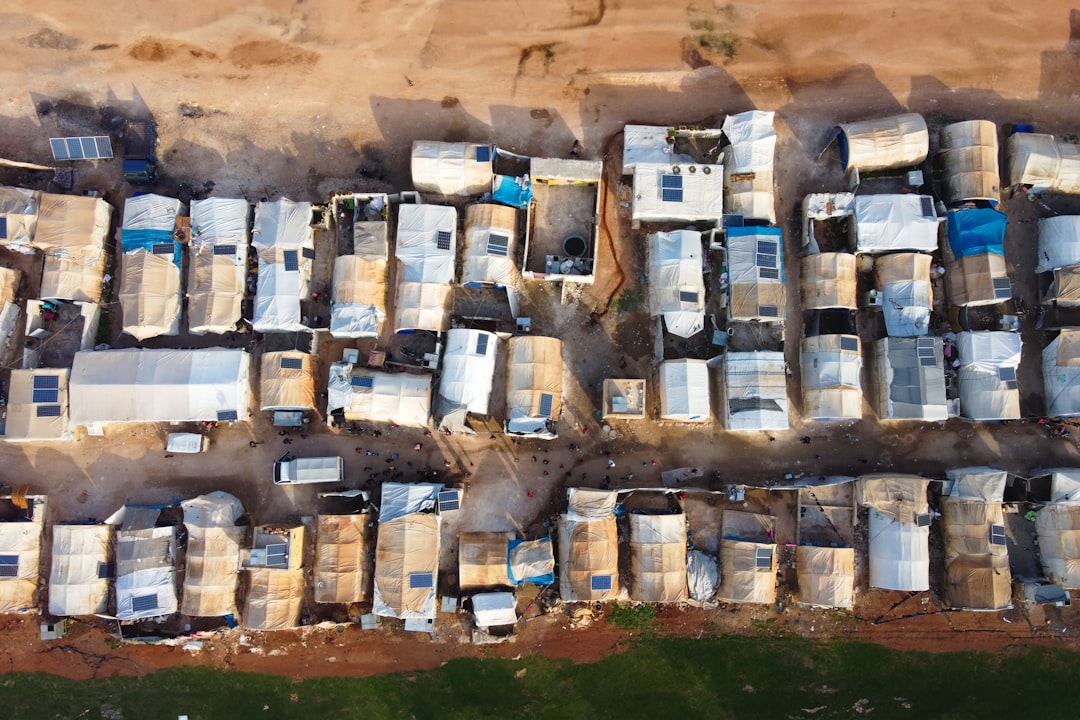
Photo by Salah Darwish on Unsplash


