







Quick Navigation
Introduction to Nighttime Anxiety
I still remember the nights when I couldn’t sleep due to anxiety. My mind would race with thoughts about upcoming deadlines, and I would worry about not meeting expectations. As a creative, I know I’m not alone in this struggle. Nighttime anxiety can be debilitating, affecting our ability to function and be productive. According to a study by the National Institutes of Health, approximately 30% of the general population experiences sleep disruptions due to anxiety.
But what makes nighttime anxiety so much worse for creatives? I believe it’s because our minds are wired to think outside the box and explore new ideas. This can be both a blessing and a curse. When we’re under pressure to deliver, our brains can go into overdrive, making it difficult to shut off and relax.
Understanding the Science Behind Nighttime Anxiety
Research suggests that the brain’s default mode network (DMN) is responsible for our mind’s tendency to wander and ruminate. The DMN is active when we’re not focused on the present moment, and it can lead to increased anxiety and stress. A study published in the journal Nature found that the DMN is more active at night, which can explain why our worries seem more pronounced during this time.
So, what can we do to manage nighttime anxiety and improve our sleep? I’ve found that using tools like Headspace and Calm can be incredibly helpful. These apps offer guided meditation sessions and relaxing music to calm the mind and body.
Challenging Common Assumptions About Nighttime Anxiety
One common assumption about nighttime anxiety is that it’s solely caused by stress and worry. However, I believe that there’s more to it. As creatives, we often struggle with the pressure to constantly produce and meet deadlines. This can lead to burnout and anxiety, which can manifest at night.
Another assumption is that we need to completely eliminate anxiety to sleep well. While it’s true that anxiety can disrupt sleep, I think it’s unrealistic to expect that we can completely eliminate it. Instead, we should focus on learning to manage and cope with anxiety in a healthy way.
Practical Tips for Managing Nighttime Anxiety
So, what can you do to manage nighttime anxiety and improve your sleep? Here are some actionable tips:
- Establish a bedtime routine that signals to your brain that it’s time to sleep. This can include activities like reading, taking a warm bath, or practicing gentle stretches.
- Use a sleep tracker like Fitness Tracker to monitor your sleep patterns and identify areas for improvement.
- Try journaling or writing down your worries before bed. This can help clear your mind and reduce anxiety.
Conclusion and Final Thoughts
Nighttime anxiety is a common struggle for many creatives, but it’s not something we have to live with. By understanding the science behind anxiety, challenging common assumptions, and using practical tools and techniques, we can learn to manage our worries and improve our sleep.
I hope that my personal experience and expertise can help you find relief from nighttime anxiety. Remember, it’s okay to not be okay, and seeking help is a sign of strength, not weakness.
FAQs
What is the best way to manage nighttime anxiety?
The best way to manage nighttime anxiety is to establish a consistent bedtime routine, practice relaxation techniques like meditation or deep breathing, and seek professional help if needed.
Can anxiety affect my creativity?
Yes, anxiety can affect your creativity. When we’re anxious, our brains can become foggy, making it difficult to think outside the box and come up with new ideas.
What are some natural remedies for anxiety?
Some natural remedies for anxiety include exercise, mindfulness, and herbal supplements like chamomile and lavender. However, it’s always best to consult with a healthcare professional before trying any new remedies.
How can I improve my sleep quality?
To improve your sleep quality, establish a consistent sleep schedule, create a sleep-conducive environment, and avoid stimulating activities before bedtime.
What is the relationship between anxiety and sleep?
Anxiety and sleep are closely linked. When we’re anxious, we may experience difficulty falling or staying asleep, and lack of sleep can exacerbate anxiety. It’s a vicious cycle, but one that can be broken with the right strategies and support.
You Might Also Like
Written by George · The Curious Loop · Updated April 29, 2026
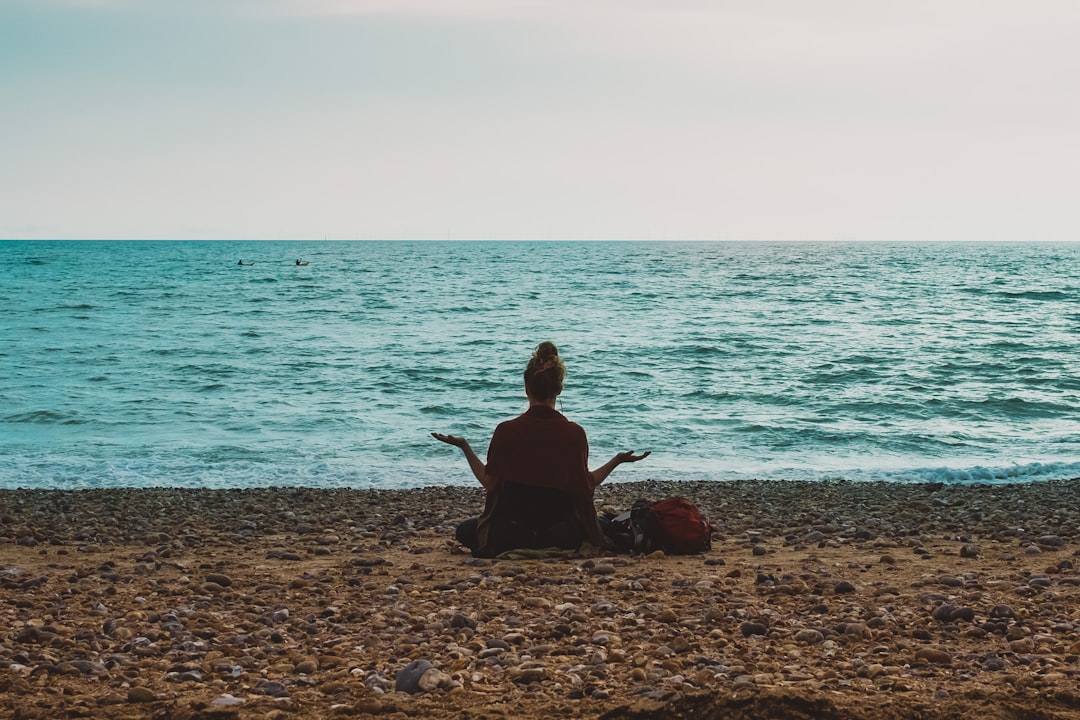
Photo by processingly on Unsplash


