







HHS Halts Child Care Payments to Minnesota After Viral Fraud Claims
The recent decision by the Department of Health and Human Services (HHS) to halt child care payments to Minnesota has sparked significant public interest and concern. This action, taken under the Trump administration, follows a viral video that emerged online, allegedly showcasing day care facilities that are non-operational yet still receiving government funding. This revelation raises questions about the integrity of the child care funding system and the measures in place to prevent fraud.
Quick Takeaways
- HHS has suspended child care payments in Minnesota.
- The decision follows a viral video alleging fraud.
- Claims involve day care facilities that are not operational.
- This is part of a broader scrutiny of federal funding programs.
- The Trump administration is taking a hard stance on fraud.
- Stakeholders in the child care sector are concerned about impacts.
- Further investigations are expected to follow.
Understanding the Context of the Decision
The HHS’s decision to stop payments is not merely a reactionary measure but is rooted in a growing concern over how federal funds are being allocated and utilized. The viral video, which has now garnered millions of views, depicts what appears to be empty day care facilities still receiving government funds, igniting a firestorm of criticism and calls for accountability.
The Viral Video and Its Impact
The video that initiated this response showcased several day care facilities claimed to be operational, yet upon closer inspection, they were found to be vacant. This discovery has prompted serious questions regarding the oversight of government funds and how such discrepancies could occur.
Government Response to Fraud Claims
The Trump administration has made it clear that it will not tolerate fraud within the child care system. The suspension of payments is a direct reflection of this stance, indicating a more aggressive approach to monitoring and managing child care funding.
What This Means for Minnesota Child Care Providers
The halt in payments has immediate implications for child care providers across Minnesota. Many facilities rely heavily on government funding to operate, and this decision could threaten their financial stability.
Potential Consequences for Families
Families relying on these child care facilities may find themselves in precarious situations as the funding freeze could lead to closures or reduced services. This scenario poses a significant threat to working parents who depend on reliable childcare options.
Broader Implications for Federal Funding Programs
This incident raises broader questions about the effectiveness of federal oversight in numerous funding programs. If day care facilities can exploit the system, what other areas of government funding are vulnerable to similar fraudulent activities?
The Need for Increased Oversight
As fraudulent claims surface, there is an urgent call for increased oversight and accountability measures. Stakeholders argue that more robust systems must be put in place to ensure that funds are directed to facilities that genuinely need them.
Community Reactions
The response from the community has been mixed. While some applaud the administration’s swift action against fraud, others fear that innocent providers could suffer as a result of sweeping measures taken without thorough investigation.
Voices from Child Care Providers
Child care providers have expressed their concerns, stating that the majority of facilities operate with integrity and that they should not be punished for the actions of a few. They emphasize the importance of a balanced approach that ensures accountability without jeopardizing their operations.
Next Steps for HHS and Minnesota
Moving forward, HHS will likely conduct a thorough investigation into the claims made in the viral video. This will involve a review of the funding processes and potentially revising guidelines to prevent future occurrences of fraud.
Implications for Future Funding
The outcome of this investigation could have lasting effects on how child care funding is allocated in the future. Adjustments may be needed to ensure that only legitimate providers receive support.
Related Resources
FAQs
1. Why did HHS halt child care payments in Minnesota?
HHS halted payments due to viral claims of fraudulent activities regarding non-operational day care facilities receiving funds.
2. What is the viral video about?
The viral video allegedly shows empty day care facilities that are still drawing government funds.
3. What are the potential impacts on families?
Families may face challenges in finding reliable child care options, which could affect their work and daily lives.
4. How will this affect child care providers?
Many child care providers may struggle financially due to the halt in payments.
5. What actions is HHS taking in response?
HHS is conducting investigations and may revise funding guidelines to prevent future fraud.
6. Are all child care facilities in Minnesota affected?
Not all facilities are affected, but those relying on government funding may face challenges.
7. What can be done to prevent fraud in child care funding?
Increased oversight and accountability measures are necessary to ensure proper allocation of funds.
Conclusion
The HHS’s decision to halt child care payments in Minnesota due to alleged fraud is a significant development that touches on the integrity of federal funding systems. While the swift action against fraud is commendable, it is critical that the interests of legitimate child care providers and families are safeguarded. As investigations proceed, stakeholders must advocate for balanced solutions that enhance oversight without compromising essential services. Ensuring that funds are allocated appropriately is vital not only for the health of the child care sector but also for the well-being of families who depend on these services. The ongoing dialogue surrounding this issue will be pivotal in shaping the future of child care funding and ensuring that federal resources are utilized effectively and responsibly.
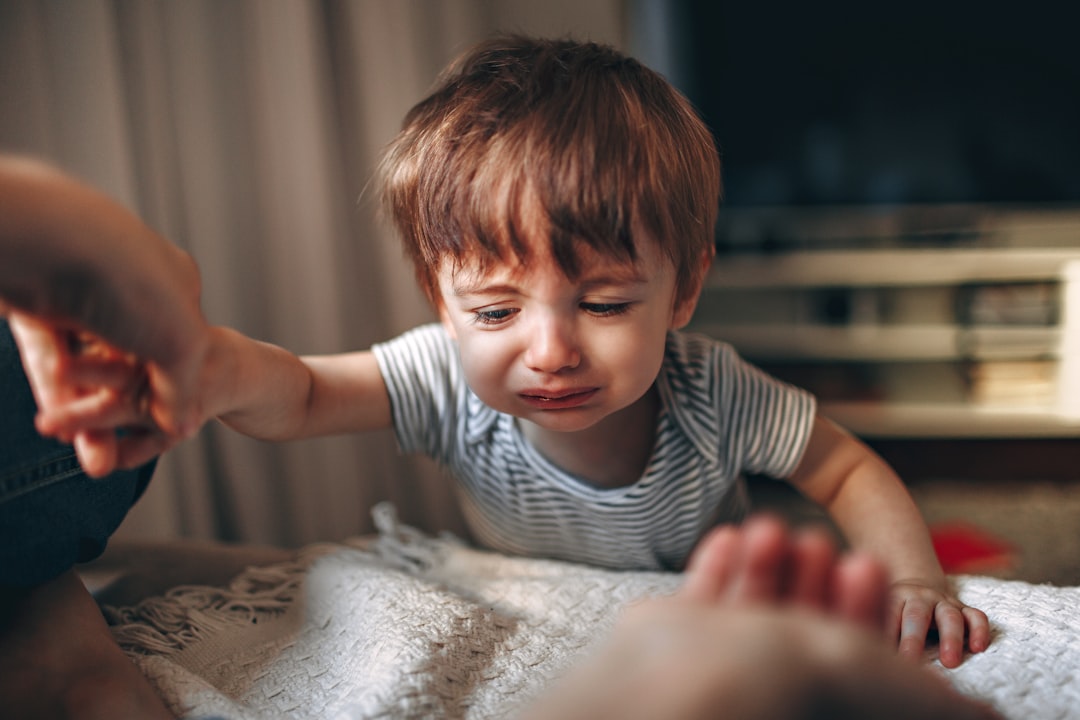
Photo by Helena Lopes on Unsplash


