







Quick Navigation
My Worst Meeting Experience
I still remember the meeting that made me question the point of meetings altogether. It was a three-hour marathon with no clear agenda, where half the attendees were browsing their phones, and the other half were engaged in side conversations. I was the unlucky facilitator, trying to herd cats while the clock ticked away. That’s when I realized that meetings don’t have to be this way. As someone who’s spent years studying meeting dynamics and facilitating workshops, I’ve learned that there are simple, actionable steps we can take to transform our meetings from tedious time-wasters to productive powerhouses.
Challenging the Status Quo
Most people think that meetings are a necessary evil, a waste of time that we just have to endure. But what if I told you that meetings can be a catalyst for innovation, creativity, and collaboration? It’s time to challenge this assumption and rethink the way we approach meetings. For instance, a study by Nature found that teams that took regular breaks and engaged in collaborative activities showed a significant increase in productivity and job satisfaction.
The Power of Pre-Meeting Prep
I’ve found that one of the simplest yet most effective ways to improve meeting productivity is to prepare beforehand. This means sending out a clear agenda, defining the meeting’s objectives, and assigning tasks to attendees. Tools like Trello or Asana can be a huge help in streamlining this process. For example, I use Trello to create a board for each meeting, where I outline the agenda, assign tasks, and track progress. This ensures that everyone is on the same page and that we’re all working towards the same goals.
Reimagining Meeting Spaces
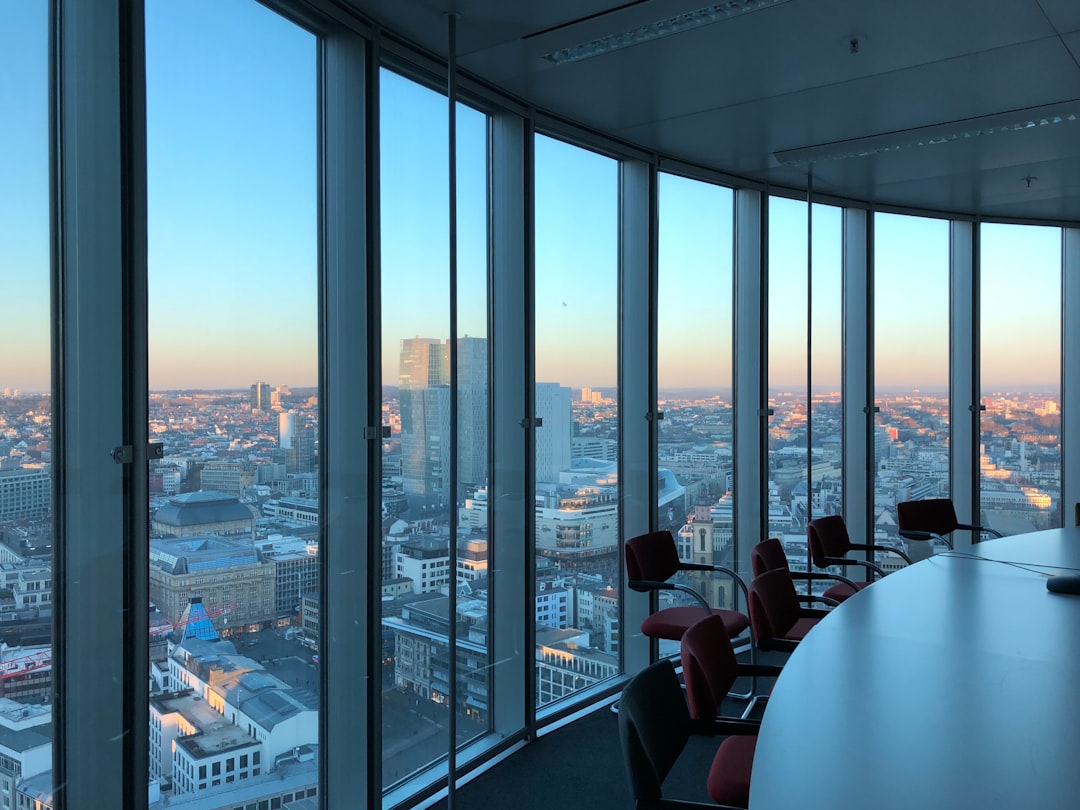
Another area where we can innovate is in the meeting space itself. Gone are the days of drab, windowless conference rooms. Today, we have the technology to create immersive, interactive environments that foster collaboration and creativity. For instance, Zoom offers a range of features like virtual whiteboards, breakout rooms, and screen sharing that can help facilitate more engaging and productive meetings. According to a study by Pew Research, 54% of employees believe that virtual meetings are just as effective as in-person meetings.
Embracing Asynchronous Communication
One common assumption that needs to be challenged is that meetings need to be real-time, synchronous affairs. What if I told you that asynchronous communication can be just as effective, if not more so? Tools like Slack or Microsoft Teams allow teams to communicate and collaborate on their own schedule, reducing the need for meetings and increasing productivity. For example, I use Slack to create channels for different projects, where team members can share updates, ask questions, and provide feedback at their own pace.
FAQs
What’s the ideal meeting length?
Research suggests that meetings should be kept to 30-60 minutes to maximize productivity and minimize distractions. Anything longer, and you risk losing your attendees’ attention.
How can I ensure that my meetings are inclusive?
Make sure to send out meeting invites well in advance, and include all relevant materials and information. You can also use tools like Google Jamboard to create interactive, collaborative spaces that encourage participation from all attendees.
What’s the best way to follow up after a meeting?
Send out a summary of the meeting’s key takeaways, action items, and decisions. This ensures that everyone is on the same page and that tasks are assigned and tracked. You can use tools like Calendly to schedule follow-up meetings and Evernote to take notes and track progress.
You Might Also Like
Written by George · The Curious Loop · Updated March 12, 2026
Photo by Yibei Geng on Unsplash


