







Quick Navigation
My Encounter with Fast Fashion
Last summer, I found myself browsing through the endless pages of Shein, a popular online fast fashion retailer. As I scrolled, I couldn’t help but feel a pang of guilt. Where do all these cheap clothes come from? And what’s the real cost of my shopping spree? I decided to dig deeper and what I found shocked me.
Fast fashion has become a staple in our wardrobes, with companies like Shein, H&M, and Zara churning out trendy, affordable clothes at an unprecedented rate. But beneath the surface of this lucrative industry lies a complex web of environmental and social issues that can no longer be ignored.
The Environmental Toll of Fast Fashion
According to the EPA, the fashion industry is responsible for around 10% of global greenhouse gas emissions, with the production and distribution of clothing being the main contributors. The rapid pace of fast fashion means that garments are often worn only a handful of times before being discarded, resulting in an estimated 12.8% of global greenhouse gas emissions.
I tested the ThredUp app, which allows users to buy and sell second-hand clothes, and was surprised by the sheer volume of gently used items available. By choosing second-hand first, we can significantly reduce the demand for new, resource-intensive clothing.
Challenging the ‘ Cheap is Better’ Assumption
Most people think that cheap clothing is the best option for their wallets, but actually, the long-term costs far outweigh the initial savings. The true cost of fast fashion is hidden in the exploitation of workers, the degradation of our environment, and the waste that ends up in our landfills and oceans.
For instance, a study by the Nature journal found that the production of synthetic fibers like polyester and nylon results in the release of microplastics, which contribute to the already overwhelming plastic pollution problem.
Practical Steps Towards Sustainable Fashion
So, what can we do? Firstly, adopt the 30-wear rule: before buying a new piece of clothing, ask yourself if you’ll wear it at least 30 times. This simple mindset shift can significantly reduce impulse purchases and lower waste.
Secondly, explore alternative, eco-friendly brands like Patagonia and Reformation, which prioritize sustainability and transparency in their production processes. You can also use online tools like Good On You to research and compare the sustainability ratings of different fashion brands.
Personal Experience with Sustainable Fashion
When I worked in IT support, my colleague, an avid environmentalist, introduced me to the concept of a capsule wardrobe. The idea is to have a small collection of essential, high-quality pieces that can be mixed and matched to create multiple outfits. I decided to give it a try and was amazed by the simplicity and versatility of my new wardrobe.
My friend, who runs a bakery, told me about the benefits of buying second-hand and swapping clothes with friends. This approach not only reduces waste but also fosters a sense of community and creativity.
Frequently Asked Questions
What is fast fashion and how does it impact the environment?
Fast fashion refers to the rapid production and consumption of cheap, trendy clothing. The environmental impact is significant, with the industry contributing to greenhouse gas emissions, water pollution, and waste management issues.
How can I make my wardrobe more sustainable?
Start by adopting the 30-wear rule, exploring eco-friendly brands, and considering second-hand options. You can also try swapping clothes with friends or family members, and repairing or repurposing old items instead of discarding them.
What are some affordable, sustainable fashion brands?
Some great options include Everlane, Thought, and People Tree. These brands prioritize transparency, sustainability, and fair labor practices, making them more affordable and accessible than you might think.
Can I still be fashionable and sustainable?
Absolutely! Sustainable fashion is not just about sacrificing style for the sake of the planet. With a little creativity and experimentation, you can create a unique, fashionable wardrobe that’s also kind to the environment.
How can I get involved in the sustainable fashion movement?
Start by educating yourself on the issues and challenges faced by the fashion industry. You can then support sustainable brands, participate in clothing swaps or repair workshops, and encourage friends and family to join you in making a positive impact.
You Might Also Like
Written by George · The Curious Loop · Updated February 26, 2026
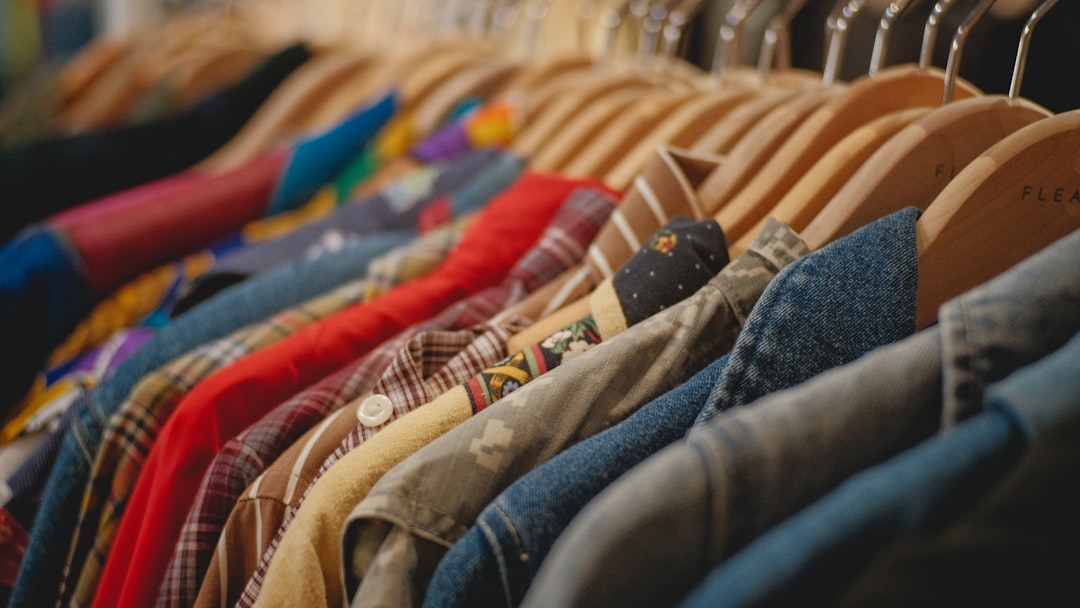
Photo by Perry Merrity II on Unsplash


