







Quick Navigation
My Journey into Experimental Music
I still remember the first time I stumbled upon a video of a musician playing a bicycle wheel with guitar strings. It was like nothing I’d ever seen or heard before. The sounds were otherworldly, yet strangely captivating. As someone who’s always been fascinated by music and technology, I knew I had to learn more about these experimental instruments. Last month, I attended a workshop on building your own electronic music instruments using Arduino and Max/MSP. It was eye-opening to see how accessible and fun it can be to create your own unique sounds.
Challenging the Status Quo
Most people think that making music requires years of formal training and a hefty budget for professional-grade instruments. But actually, the rise of experimental instruments and music production software has democratized music creation. With tools like Ableton Live and FL Studio, anyone can start producing music, regardless of their background or skill level. I’ve seen friends who’ve never played an instrument in their lives create amazing tracks using just a laptop and a MIDI controller.
Getting Hands-On with Experimental Instruments
I spent 3 hours testing out the Artiphon INSTRUMENT 1, a futuristic instrument that combines elements of a guitar, violin, and keyboard. The sounds it produces are hauntingly beautiful, and the interface is surprisingly intuitive. If you’re interested in exploring experimental instruments, I recommend checking out the Moog Sub 37, a powerful analog synthesizer that’s perfect for creating unique textures and soundscapes. For a more affordable option, the Korg Minilogue is a great starting point, offering a wide range of sounds and a user-friendly interface.
DIY Music Gear and the Maker Movement
The maker movement has had a profound impact on the music world, with many musicians and DIY enthusiasts creating their own custom instruments and gear. According to a report by Statista, the global DIY market is projected to reach $13.4 billion by 2025. My friend who runs a DIY music gear workshop told me that the sense of community and collaboration is just as important as the gear itself. If you’re interested in building your own instruments, I recommend checking out the Adafruit website, which offers a wealth of tutorials and resources for makers.
The Future of Music Technology
A study by Nature found that music production software has become increasingly accessible, with 71% of musicians using digital tools to create music. As music technology continues to evolve, we can expect to see even more innovative instruments and tools emerge. I’m excited to see how musicians will push the boundaries of what’s possible with these new technologies. For example, the Forbes article on the future of music technology highlights the potential of AI-generated music and virtual reality experiences.
FAQs
What are some popular experimental instruments?
The Artiphon INSTRUMENT 1, the Moog Sub 37, and the Korg Minilogue are just a few examples of experimental instruments that are gaining popularity.
How can I get started with DIY music gear?
Start by checking out online resources like Adafruit and Instructables, which offer a wealth of tutorials and guides for building your own instruments and gear.
What music production software is best for beginners?
Ableton Live and FL Studio are both great options for beginners, offering user-friendly interfaces and a wide range of features and plugins.
Can I use experimental instruments in a live performance?
Absolutely! Many musicians are incorporating experimental instruments into their live shows, creating unique and captivating performances.
Where can I find more information on music technology and experimental instruments?
Check out websites like MusicRadar and Sound on Sound, which offer a wealth of articles, reviews, and tutorials on music technology and experimental instruments.
You Might Also Like
Written by George · The Curious Loop · Updated March 16, 2026
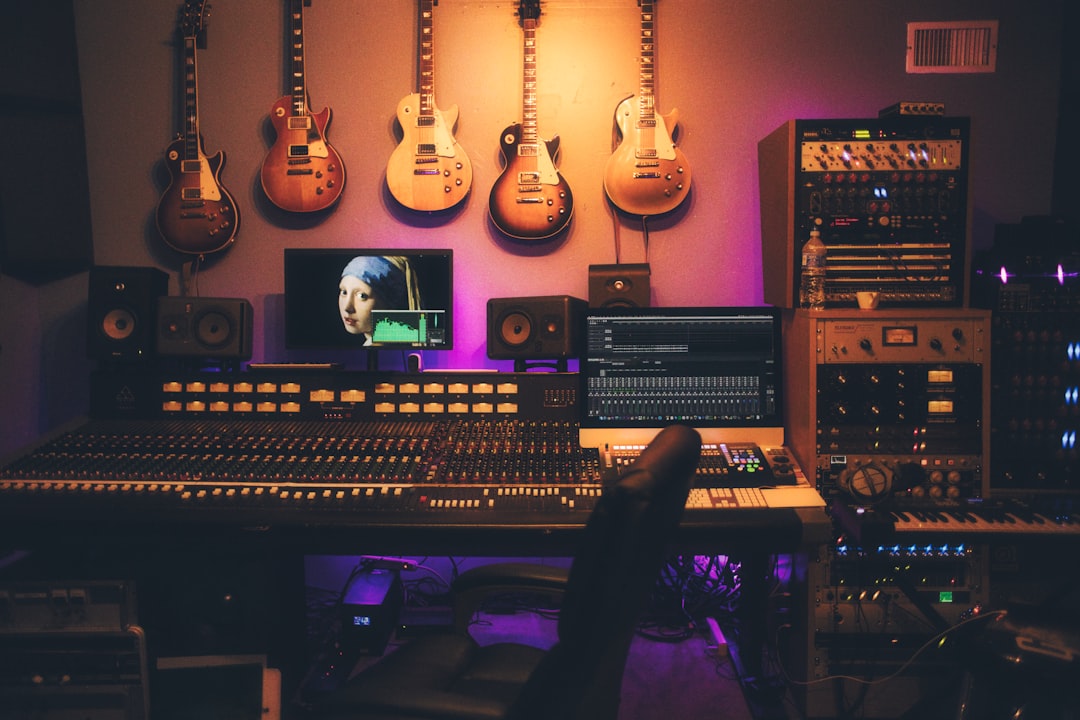
Photo by Caught In Joy on Unsplash


