







CDC Advisers Could Reverse Newborn Hepatitis B Vaccine Recommendations
A group of advisers to the Centers for Disease Control and Prevention (CDC) is currently preparing to vote on a significant change regarding hepatitis B vaccinations for newborns. This potential reversal of a long-standing recommendation has stirred discussions among health professionals, parents, and policymakers alike. The debate centers on whether every baby should receive a hepatitis B vaccination within 24 hours of birth, a guideline that has been in place for decades. The implications of this decision could resonate through various aspects of public health and child care.
Quick Takeaways
- The CDC advisers are considering scrapping the hepatitis B vaccination recommendation for newborns.
- This decision could affect vaccination practices in hospitals nationwide.
- Hepatitis B is a serious liver infection that can be prevented with vaccination.
- The recommendation has been in place for many years, emphasizing early vaccination.
- The potential vote is expected to take place soon, highlighting the urgency of the matter.
- Parents and guardians should stay informed about the outcome of this vote.
- Health professionals are divided on the potential impacts of changing this guideline.
- Monitoring the situation will be crucial for understanding future vaccination policies.
Understanding Hepatitis B
What is Hepatitis B?
Hepatitis B is a viral infection that attacks the liver, leading to chronic disease and increasing the risk of liver cancer. The virus is transmitted through contact with the blood or other body fluids of an infected person. It is particularly concerning for newborns, as the risk of chronic infection is significantly higher when the virus is contracted at a young age.
The Importance of Vaccination
The hepatitis B vaccine is considered one of the safest and most effective ways to prevent the infection. Vaccination at birth is crucial, as it provides immediate protection to newborns who may be at risk due to maternal transmission.
Current Recommendations
As it stands, the CDC recommends that all newborns receive their first dose of the hepatitis B vaccine within 24 hours of birth. This guideline is based on extensive research and has been a cornerstone of infant health protocols in the United States.
The Upcoming Vote
The advisers’ vote on this recommendation is expected to take place in the coming weeks. If the recommendation is changed, it could lead to significant shifts in vaccination practices across hospitals and pediatric care facilities.
Potential Implications of a Reversal
Public Health Concerns
Scrapping the vaccination recommendation could lead to an increase in hepatitis B infections among newborns. Public health officials warn that removing this safety net could jeopardize the health of the most vulnerable populations.
Parental Decisions
Parents and guardians may feel uncertain about vaccination schedules if the recommendations change. It is essential for families to be well-informed and to discuss these matters with their healthcare providers.
Expert Opinions
Support for the Current Recommendation
Many health professionals advocate for maintaining the current vaccination schedule, citing extensive evidence of its effectiveness in preventing hepatitis B transmission.
Arguments for Change
Conversely, some experts argue that the risks and benefits need reevaluation, suggesting that the approach should adapt to current data and trends.
Monitoring the Situation
As the vote approaches, it is vital for stakeholders—including parents, healthcare providers, and policymakers—to monitor developments closely. Understanding the nuances of this debate will be essential for making informed choices about child health.
Resources for Parents
Frequently Asked Questions
What is the hepatitis B vaccine?
The hepatitis B vaccine is an immunization that protects against the hepatitis B virus, which can lead to serious liver disease.
Why is the vaccine given to newborns?
Newborns are at a higher risk of developing chronic hepatitis B infections if exposed, making early vaccination crucial.
What happens if the recommendation is changed?
A change could lead to increased risk of hepatitis B infections among newborns and altered vaccination practices.
How can parents stay informed?
Parents should consult healthcare providers and follow updates from reliable health organizations regarding vaccination recommendations.
Is the hepatitis B vaccine safe?
Yes, extensive research supports the safety and efficacy of the hepatitis B vaccine.
What are the side effects of the vaccine?
Common side effects may include soreness at the injection site, fever, and irritability, but serious side effects are rare.
Will the CDC hold more votes on vaccination recommendations?
Yes, the CDC regularly reviews and updates vaccination recommendations based on new research and public health data.
Conclusion
The upcoming vote by the CDC advisers on the hepatitis B vaccination recommendation for newborns is a pivotal moment in public health. The decision to potentially reverse a long-standing guideline raises important questions about the safety and health of infants. As discussions unfold, it is paramount for parents and healthcare providers to remain informed and engaged. The implications of this vote extend beyond individual choices; they reflect broader societal attitudes towards vaccination and public health. In an era where misinformation can easily spread, staying educated about vaccination schedules and recommendations is more crucial than ever. The health of future generations may very well hinge on the decisions made in the coming weeks. As we await the outcome, let us prioritize our children’s health and advocate for informed, science-based decisions.
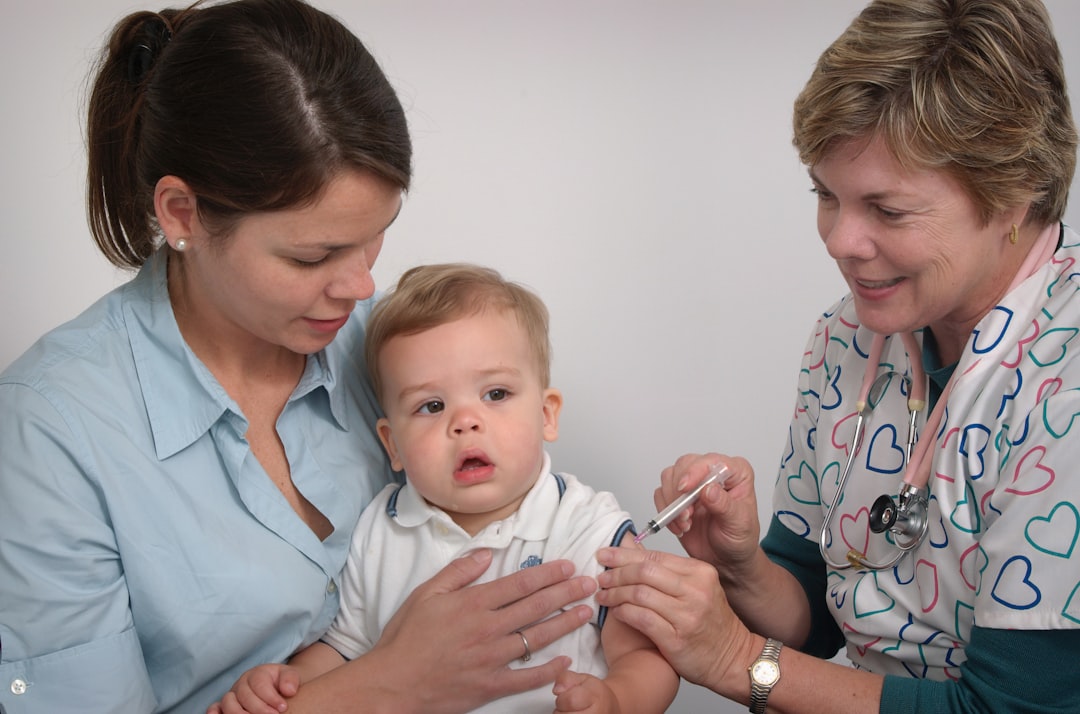
Photo by CDC on Unsplash


