







Quick Navigation
My Journey to Alaska’s Melting Coastline
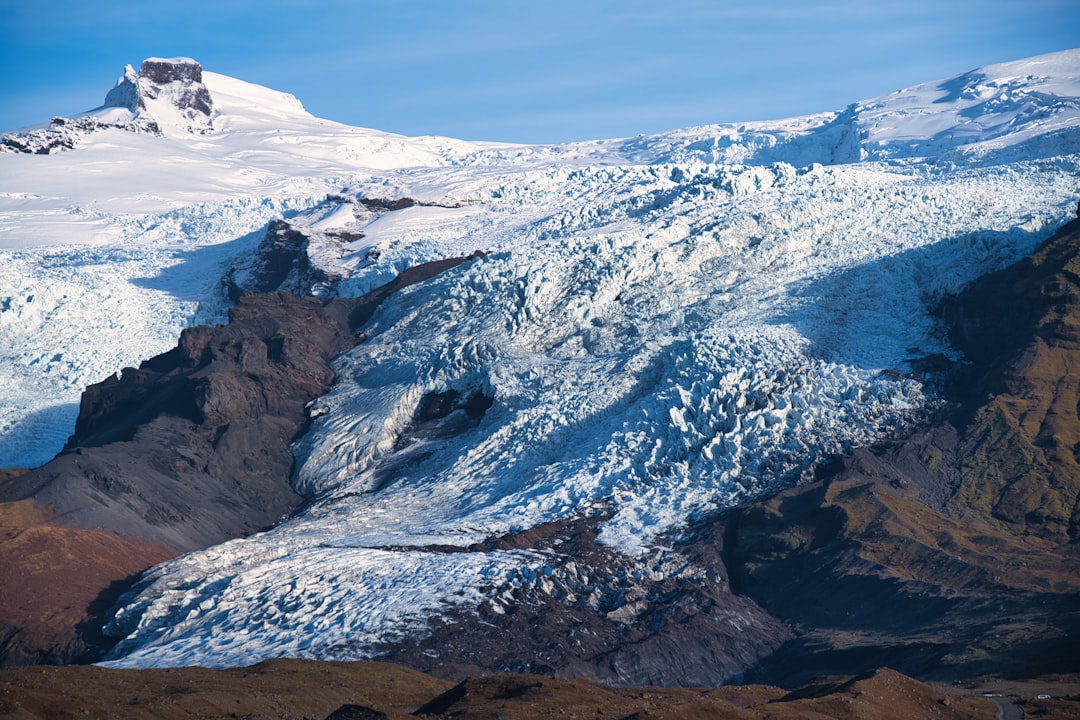
Last summer, I had the opportunity to visit Alaska and witness the breathtaking beauty of its coastline. But what struck me was the sheer scale of ice melting and its impact on local communities. As I traveled through the Beaufort Sea, I saw firsthand how the disappearing sea ice was affecting the daily lives of people who depend on it for hunting, fishing, and transportation.
I spent hours talking to local residents, listening to their stories and concerns. One thing that became clear was the need for climate resilience – the ability of communities to adapt and thrive in the face of a rapidly changing environment. As I delved deeper into the issue, I realized that this wasn’t just an Alaskan problem, but a global one.
Challenging the Status Quo: Why Climate Resilience Matters
Most people think that climate change is someone else’s problem, but the truth is that it affects us all. Rising temperatures, more frequent natural disasters, and unpredictable weather patterns are just a few of the many consequences of a warming planet. And yet, despite the overwhelming evidence, many of us are still not taking the necessary steps to build climate resilience.
According to a study published in Nature, the global economic losses due to climate-related disasters have increased by over 150% in the past two decades. This is a staggering statistic, and one that should prompt us to take immediate action.
Building Climate Resilience: A Practical Guide
So, what can we do to build climate resilience? For starters, we need to acknowledge the reality of climate change and its impacts on our communities. This means being aware of the local climate risks and taking steps to mitigate them. One tool that I’ve found particularly useful is the FEMA Flood Map, which provides detailed information on flood-prone areas and helps communities prepare for extreme weather events.
Another important step is to invest in sustainable infrastructure, such as sea walls, levees, and green roofs. These not only help protect against coastal erosion and flooding but also provide numerous environmental benefits. For example, a study by the EPA found that green infrastructure can reduce stormwater runoff by up to 70%.
Community-Led Solutions: The Key to Climate Resilience
As I traveled through Alaska, I was struck by the resilience and resourcefulness of local communities. Despite the many challenges they face, these communities are coming together to find solutions and build a more sustainable future. One example that stood out was the Alaska Native Tribal Leaders Conference, which brings together indigenous leaders from across the state to share knowledge and best practices on climate change mitigation and adaptation.
According to a report by the Pew Research Center, community-led initiatives are critical to building climate resilience. By empowering local communities to take ownership of their climate challenges, we can create more effective and sustainable solutions.
Conclusion: A Call to Action
As I reflect on my journey to Alaska’s melting coastline, I’m reminded of the urgent need for climate resilience. This isn’t just an environmental issue, but a human one – a matter of ensuring that our communities are safe, sustainable, and thriving. So, what can you do to build climate resilience? Start by educating yourself on the local climate risks, investing in sustainable infrastructure, and supporting community-led initiatives.
Together, we can create a more resilient future – one that’s capable of withstanding the challenges of a rapidly changing environment. As the IPCC report so aptly puts it, ‘The window for action is rapidly closing, but it is still possible to limit warming to 1.5°C and avoid the most catastrophic consequences of climate change.’
FAQs
What is climate resilience, and why is it important?
Climate resilience refers to the ability of communities to adapt and thrive in the face of a rapidly changing environment. It’s essential because it helps us prepare for and respond to climate-related disasters, reducing the risk of injury, property damage, and economic loss.
How can I get involved in climate resilience efforts?
There are many ways to get involved, from volunteering with local environmental organizations to supporting community-led initiatives. You can also start by educating yourself on the local climate risks and taking steps to reduce your own carbon footprint.
What are some effective strategies for building climate resilience?
Some effective strategies include investing in sustainable infrastructure, supporting community-led initiatives, and promoting climate education and awareness. You can also use tools like the FEMA Flood Map to assess local climate risks and develop targeted mitigation strategies.
How can I stay up-to-date on the latest climate resilience news and research?
There are many resources available, including the NOAA Climate.gov website, which provides timely and authoritative information on climate change and its impacts. You can also follow climate resilience experts and organizations on social media to stay informed about the latest developments and research.
What role can individuals play in building climate resilience?
Individuals can play a critical role in building climate resilience by taking personal action to reduce their carbon footprint, supporting community-led initiatives, and advocating for climate policies that promote sustainability and equity.
You Might Also Like
Written by George · The Curious Loop · Updated March 27, 2026
Photo by Gabor Koszegi on Unsplash


