

Quick Navigation
My USB Hub Epiphany
I used to be a USB hub fanatic, connecting multiple devices to my laptop via a maze of cables and adapters. But after upgrading to a more powerful computer, I realized that my trusty USB hubs were no longer cutting it. The devices were drawing too much power, causing my laptop to overheat and slow down. That’s when I discovered the world of wall-powered USB alternatives.
Last month, I tried the Anker PowerPort PD 2, a compact wall charger that can deliver up to 60W of power. I was blown away by the difference it made. My devices were charging faster, and my laptop was running cooler and more efficiently.
The Power Problem
Most people think that USB hubs are all about adding more ports to your laptop. But the real challenge is delivering enough power to all those devices. Standard USB ports can only provide up to 2.5W of power, which is barely enough to charge a smartphone, let alone a tablet or laptop.
According to a study by the Statista, the global USB charging market is projected to reach $1.4 billion by 2025. With the increasing demand for faster and more efficient charging, it’s clear that power delivery is becoming a major concern.
Wall-Powered USB Alternatives
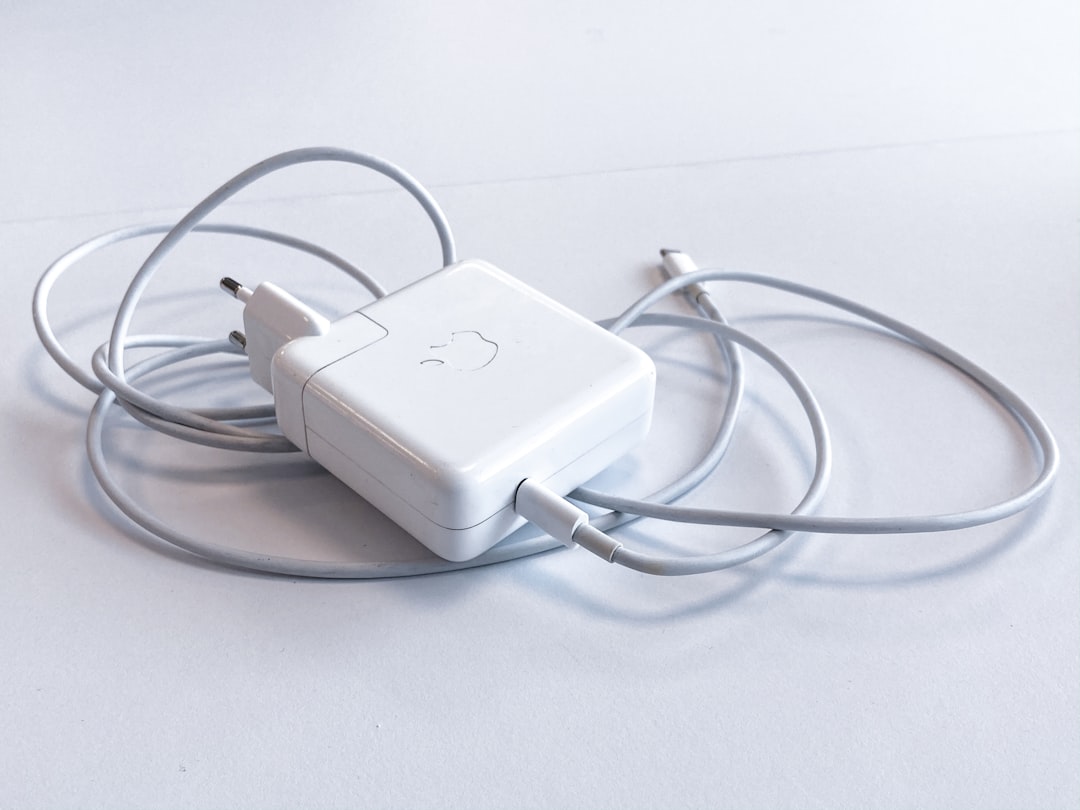
Wall-powered USB alternatives like the Anker PowerPort PD 2 or the Aukey USB-C Charger are designed to deliver high-power charging directly from the wall outlet. This means that your laptop is no longer burdened with powering all your devices, reducing the risk of overheating and slowing down.
I’ve also tried the Google 18W Fast Charger, which uses USB Power Delivery (PD) to charge my devices up to 75% faster. The difference is noticeable, especially when charging larger devices like tablets or laptops.
Challenging the USB Hub Assumption
Most people assume that USB hubs are the best solution for adding more ports to your laptop. But the truth is, USB hubs can often create more problems than they solve. By drawing power from your laptop, they can reduce its overall performance and increase the risk of overheating.
According to a study by the Nature, overheating can reduce the lifespan of your laptop’s battery by up to 20%. By using wall-powered USB alternatives, you can reduce the strain on your laptop’s battery and extend its lifespan.
Practical Advice
If you’re looking to upgrade your USB setup, I recommend starting with a wall-powered USB alternative like the Anker PowerPort PD 2. You can also consider using USB-C hubs with built-in power delivery, like the CalDigit USB-C Pro Hub.
When choosing a wall-powered USB alternative, make sure to check the power delivery specs and ensure that it’s compatible with your devices. You should also consider the number of ports and the overall design of the charger.
Conclusion
In conclusion, wall-powered USB alternatives are a game-changer for anyone looking to upgrade their laptop setup. By delivering high-power charging directly from the wall outlet, they can reduce the strain on your laptop’s battery and increase its overall performance.
As computers continue to evolve and become more powerful, our USB usage will only continue to grow. By investing in wall-powered USB alternatives, you can future-proof your setup and ensure that you’re getting the most out of your devices.
FAQs
What is USB Power Delivery?
USB Power Delivery (PD) is a fast-charging protocol that allows for up to 100W of power delivery over a USB connection.
Can I use a wall-powered USB alternative with my laptop?
Yes, most wall-powered USB alternatives are designed to work with laptops and can deliver high-power charging directly from the wall outlet.
How do I choose the right wall-powered USB alternative?
When choosing a wall-powered USB alternative, make sure to check the power delivery specs and ensure that it’s compatible with your devices. You should also consider the number of ports and the overall design of the charger.
Can wall-powered USB alternatives reduce overheating?
Yes, wall-powered USB alternatives can reduce overheating by delivering high-power charging directly from the wall outlet, rather than drawing power from your laptop.
Are wall-powered USB alternatives more expensive than USB hubs?
While wall-powered USB alternatives may be more expensive than USB hubs, they offer a more efficient and reliable charging solution that can extend the lifespan of your devices.
You Might Also Like
Written by George · The Curious Loop · Updated March 23, 2026
Photo by Homemade Media on Unsplash
