

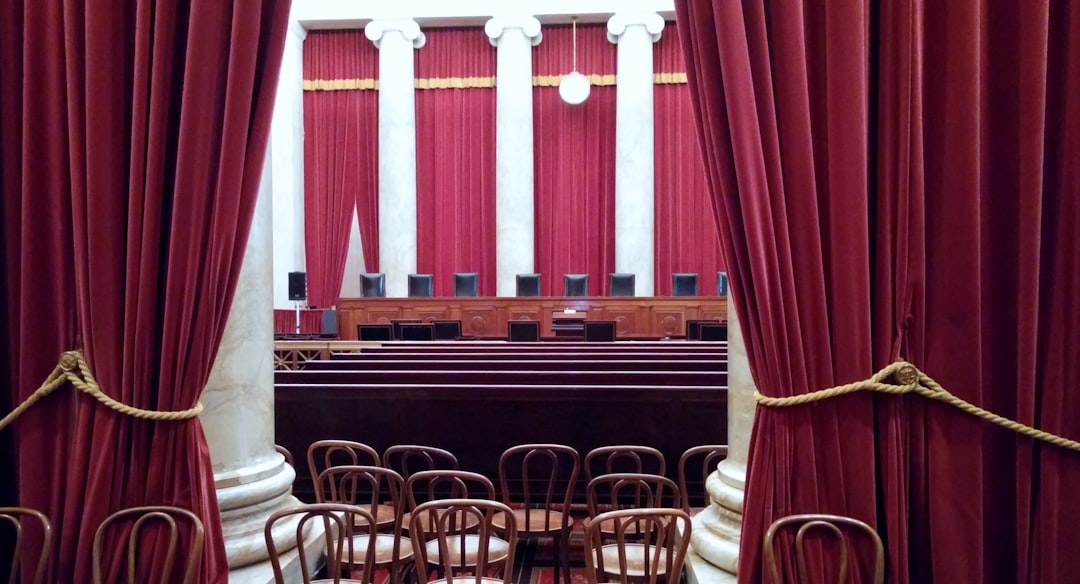
Trump’s Battle with Independent Agencies at the Supreme Court
The ongoing battle between former President Donald Trump and independent federal agencies is heating up again as the Supreme Court prepares to hear a pivotal case that could redefine the power dynamics between the presidency and these agencies. For decades, independent agencies have operated with a degree of autonomy from the executive branch, tasked with regulating sectors such as finance, environmental protection, and public health without direct presidential influence. However, recent legal challenges have raised questions about the constitutionality of this independence, prompting the highest court in the land to weigh in.
This case comes at a time when the role of independent agencies is being scrutinized more than ever. Critics argue that these agencies have become too powerful, wielding significant authority with minimal accountability. Proponents, on the other hand, contend that their independence is crucial to prevent political interference in essential regulatory functions. As the Supreme Court prepares to deliberate, the implications of their decision could reshape the landscape of federal governance and the checks and balances that have historically defined it.
Quick Takeaways
- The Supreme Court is reviewing the role of independent federal agencies.
- This case could redefine the relationship between these agencies and the presidency.
- Independent agencies have historically operated at arm’s length from the executive branch.
- Critics argue these agencies wield too much power without accountability.
- Proponents believe independence is necessary for effective regulation.
- The outcome may have lasting impacts on federal governance structures.
The Historical Context of Independent Agencies
Independent agencies were created to ensure that specific sectors are regulated without political pressure. Established by Congress, these agencies, such as the Federal Reserve and the Securities and Exchange Commission, possess the authority to create rules and enforce regulations in their respective fields. Their independence is designed to shield them from the whims of political changes, allowing for stability and continuity in governance.
Legal Precedents Affecting Independent Agencies
Over the years, various Supreme Court decisions have shaped the operational framework of independent agencies. Understanding the historical legal context is crucial as it informs today’s challenges. Key rulings have underscored the balance of power between the executive branch and these regulatory bodies, setting important precedents that the current court will consider.
The Current Case Before the Supreme Court
This particular case, which has garnered significant attention, revolves around the legitimacy of independent agency actions and their accountability to the president. As the court hears arguments, the justices must consider both the constitutional implications and the practical ramifications of their ruling.
Arguments For and Against Independent Agencies
Supporters of independent agencies argue that their autonomy is essential for unbiased regulatory practices. They contend that these agencies are better equipped to make decisions based on expert knowledge rather than political expediency. Conversely, opponents highlight concerns regarding accountability and the potential for overreach, suggesting that the executive branch should maintain oversight over all federal functions.
The Role of the Executive Branch in Regulation
The executive branch, led by the president, traditionally holds the power to enforce laws. However, the existence of independent agencies complicates this framework. The president’s limited ability to remove agency heads without cause raises questions about effective governance and accountability. As this case unfolds, these fundamental issues will be at the forefront of discussions.
Potential Outcomes of the Supreme Court’s Decision
The Supreme Court’s ruling could lead to several outcomes, ranging from reaffirming the independence of these agencies to imposing stricter controls by the executive branch. Each scenario carries significant implications for how federal agencies operate and how they interact with the presidency.
Impact on Future Governance
Regardless of the outcome, this case will likely influence future governance in the United States. A decision favoring increased presidential control may lead to a shift in how agencies function, potentially resulting in more politically motivated regulation. Conversely, a ruling that upholds agency independence could reinforce the status quo, emphasizing the importance of nonpartisan regulatory frameworks.
The Public’s Reaction to the Case
The public’s response to this legal challenge has been mixed. Some citizens advocate for more accountability in government, while others express concern about the potential for political influence in regulatory decisions. As the case progresses, public opinion will play a role in shaping future discussions about the role of independent agencies.
Looking Ahead: The Future of Independent Agencies
As the Supreme Court prepares to issue its ruling, the future of independent agencies hangs in the balance. The decision will not only affect current regulatory practices but also set a precedent that will influence the governance landscape for years to come.
Related Resources
- NBC News: Trump’s Legal Battles
- Congressional Research Service: Overview of Independent Agencies
- SCOTUS Blog: Supreme Court News
- The White House: Executive Orders
Frequently Asked Questions (FAQ)
- What are independent federal agencies?
- Independent federal agencies are regulatory bodies created by Congress to operate independently from the executive branch.
- Why are independent agencies important?
- They help ensure unbiased regulation and can operate without political pressure, making decisions based on expertise.
- What is the current legal challenge facing these agencies?
- The Supreme Court is reviewing the constitutionality of their independence and the extent of presidential control.
- What could happen if the Supreme Court rules against independent agencies?
- A ruling against them could lead to increased presidential oversight and potentially politicize regulatory decisions.
- How long has this system of independent agencies been in place?
- Independent agencies have existed for several decades, with roots tracing back to the early 20th century.
- What impact could this case have on future governance?
- The ruling may reshape the balance of power between the executive branch and regulatory agencies, influencing how government operates.
- Is public opinion divided on this issue?
- Yes, there are mixed feelings regarding the independence of agencies and the need for accountability in government.
Conclusion
The Supreme Court’s impending decision on the future of independent federal agencies marks a significant moment in U.S. governance. As the court weighs the arguments for and against the autonomy of these agencies, the implications of their ruling could reverberate throughout the political landscape. The balance of power between the presidency and independent agencies is at stake, and the outcome will not only influence current regulatory practices but also set a precedent for the future. As citizens, stakeholders, and policymakers await the court’s decision, the conversation surrounding the role of independent agencies in maintaining a fair and just regulatory environment will continue to evolve. This case underscores the importance of understanding the foundational principles of our government and the intricacies of the checks and balances that define it.
Photo by Richard Cohrs on Unsplash
