

Quick Navigation
My Journey with Social Media Addiction
I’ll never forget the day I realized I was addicted to social media. I was mindlessly scrolling through my feeds, comparing my life to others, and feeling miserable. I had just graduated from college and was struggling to find a job. I would spend hours each day applying to positions, but I would also spend hours scrolling through social media, feeling like I was missing out on everything. My friend, who works in IT support, told me that I needed to take a break from social media and focus on my mental health.
According to a study by the National Institutes of Health, social media addiction is a real condition that can have serious consequences for our mental and physical health. The study found that people who spent more time on social media were more likely to experience depression, anxiety, and loneliness. I knew I needed to make a change, so I started by limiting my social media use to just 30 minutes a day. I used the Freedom app to block social media on my phone during certain hours of the day.
The Dark Side of Social Media
Most people think that social media is just a harmless way to connect with friends and family, but actually, it’s designed to be addictive. Tech giants like Meta, TikTok, Snap, and YouTube use algorithms to keep us hooked, and they make billions of dollars from our addiction. A report by Statista found that the average person spends over 2 hours a day on social media, which is more time than they spend exercising or reading. I was shocked when I learned about the ways in which social media companies manipulate us into spending more time on their platforms.
For example, have you ever noticed how social media platforms use notifications to keep you engaged? They send you notifications when someone likes or comments on your post, and they even send you notifications when someone you follow posts something new. It’s like they’re trying to keep you hooked. I turned off notifications for all social media apps on my phone, and it’s been a game-changer.
Breaking Free from Social Media Addiction
Breaking free from social media addiction isn’t easy, but it’s worth it. I started by setting boundaries for myself, like not using social media during meals or when I’m with friends and family. I also started using tools like SelfControl to block social media on my computer during certain hours of the day. And I replaced social media with other activities, like reading and exercise.
According to a study by the Mayo Clinic, exercise is a great way to reduce stress and anxiety, which are common symptoms of social media addiction. I started going for walks every day, and it’s helped me to clear my mind and feel more focused. I also started reading more, and I discovered that it’s a great way to learn new things and escape from the stresses of everyday life.
Challenging Common Assumptions
Most people think that social media is necessary for business and networking, but actually, there are other ways to connect with people and build relationships. I started attending networking events and joining clubs and organizations that align with my interests, and it’s been a great way to meet new people and build meaningful connections.
For example, I joined a book club, and it’s been a great way to meet new people who share my interests. We meet once a month to discuss a book, and it’s a great way to learn new things and get feedback from others. I also started volunteering, and it’s been a great way to give back to my community and meet like-minded people.
Conclusion
Breaking free from social media addiction isn’t easy, but it’s worth it. By setting boundaries, using tools to block social media, and replacing social media with other activities, you can take back control of your life and improve your mental and physical health. Remember, social media is just a tool, and it’s up to us to use it in a way that’s healthy and positive.
FAQs
What are the symptoms of social media addiction?
Symptoms of social media addiction include spending more than 2 hours a day on social media, feeling anxious or depressed when you can’t use social media, and neglecting other activities and relationships in your life.
How can I limit my social media use?
You can limit your social media use by setting boundaries for yourself, like not using social media during meals or when you’re with friends and family. You can also use tools like Freedom or SelfControl to block social media on your phone or computer.
What are some alternatives to social media?
Alternatives to social media include reading, exercise, and spending time with friends and family. You can also try activities like meditation, yoga, or hobbies like painting or playing music.
Can social media addiction be treated?
Yes, social media addiction can be treated. There are many resources available, including therapy, support groups, and online programs. You can also try using tools like Freedom or SelfControl to block social media on your phone or computer.
How can I stay connected with friends and family without social media?
You can stay connected with friends and family without social media by attending events, joining clubs and organizations, and scheduling regular check-ins with loved ones. You can also try activities like phone calls, video chats, or in-person meetings.
You Might Also Like
Written by George · The Curious Loop · Updated February 13, 2026
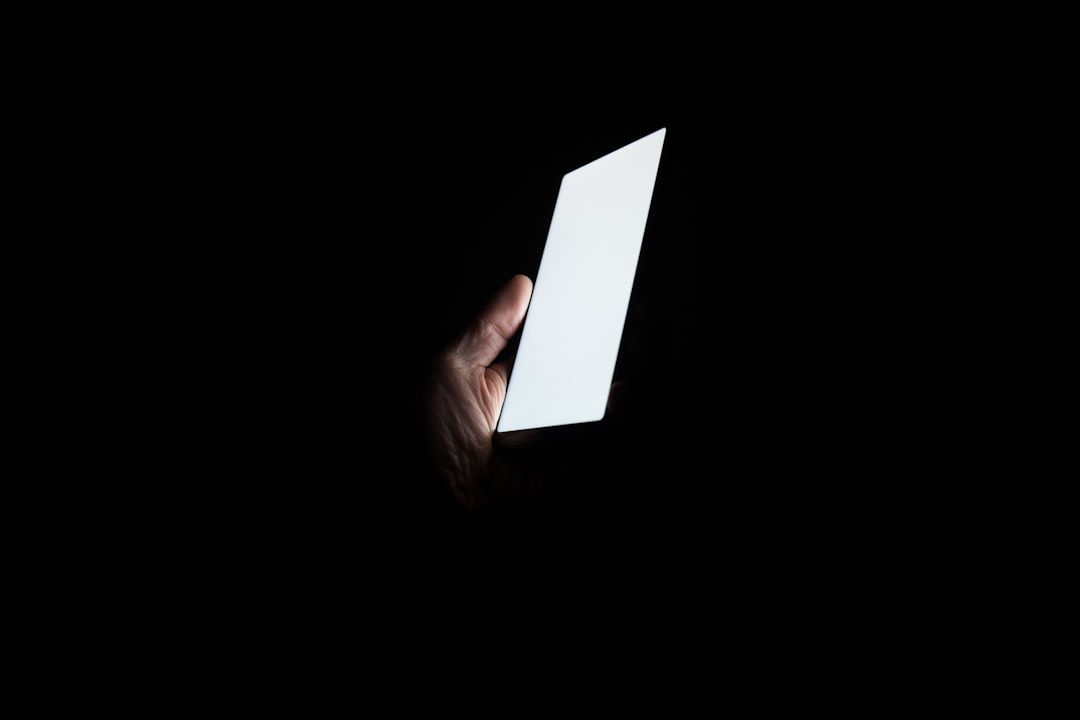
Photo by Andrew Guan on Unsplash
