







Quick Navigation
My Personal Wake-Up Call
Last year, my neighbor’s dog got lost in the woods, and it took them three days to find it. I was shocked by how unprepared they were for such an emergency. This experience made me realize the importance of having the right tools and knowledge to prevent such tragedies. As I delved deeper into the pet tech industry, I discovered some disturbing trends that nobody talks about. For instance, a study by the National Institutes of Health found that approximately 1 in 3 pets will become lost at some point in their lifetime.
I decided to test some popular pet safety devices, including the Whistle 3 GPS Pet Tracker and the Furbo Interactive Dog Camera. While these devices have their advantages, I was surprised by their limitations and potential drawbacks. For example, the Whistle 3 GPS Pet Tracker requires a monthly subscription, which can add up over time. On the other hand, the Furbo Interactive Dog Camera has a wide-angle lens and night vision, but its battery life is relatively short.
Challenging the Status Quo
Most people think that pet tech is all about innovative gadgets and cool features. However, I believe that this focus on innovation can sometimes overshadow the real needs of pet owners. According to a survey by Statista, the pet tech market is projected to reach $1.4 billion by 2025, with the majority of this growth driven by the increasing demand for pet wearables and smart toys. But what about the pets that need our help the most?
Take, for example, the issue of pet loss prevention. While many pet safety devices claim to prevent pet loss, the reality is that most of them are designed for pets that are already lost. What about preventing pets from getting lost in the first place? This is where simple, low-tech solutions like microchipping and identification tags come in. A study by the American Veterinary Medical Association found that microchipped pets are more than twice as likely to be reunited with their owners as those without microchips.
A Personal Story of Loss and Prevention
When I worked in IT support, I had a colleague whose dog was stolen from their backyard. The experience was traumatic, and it made me realize the importance of taking proactive measures to prevent pet theft. One simple solution is to install a security camera in your backyard, such as the Blink XT2 Outdoor/Indoor Security Camera. This can help deter potential thieves and provide valuable evidence if your pet is stolen.
Another solution is to use a pet fence, such as the PetSafe Wireless Fence. This can help keep your pet safe within a designated area and prevent them from wandering off. However, it’s essential to note that pet fences may not be effective for all pets, especially those that are determined to escape.
Practical Advice for Pet Owners
So, what can you do to keep your pets safe? First, make sure your pet has a microchip and an identification tag with your contact information. Second, consider investing in a pet safety device that meets your specific needs, such as a GPS tracker or a smart collar. Third, take proactive measures to prevent pet theft, such as installing a security camera or using a pet fence.
It’s also essential to stay informed about the latest developments in the pet tech industry. Follow reputable sources, such as the PetMD website, to stay up-to-date on the latest products and trends. And don’t be afraid to ask questions or seek advice from veterinarians or pet care professionals.
Conclusion and Call to Action
In conclusion, while the pet tech industry has made significant progress in recent years, there is still much work to be done to address the real needs of pet owners. By taking a more nuanced approach to pet safety and focusing on practical, effective solutions, we can work together to prevent pet loss and keep our furry friends safe.
So, what are you waiting for? Take the first step today by microchipping your pet, investing in a pet safety device, or installing a security camera in your backyard. Together, we can make a difference and create a safer, more compassionate world for all pets.
FAQs
What is the best pet safety device on the market?
The best pet safety device for you will depend on your specific needs and circumstances. Consider factors such as your pet’s size, breed, and personality, as well as your budget and lifestyle.
How can I prevent my pet from getting lost?
Preventing pet loss requires a combination of common sense, proactive measures, and the right tools. Make sure your pet has a microchip and identification tag, and consider investing in a pet safety device or installing a security camera in your backyard.
What are some common mistakes pet owners make when it comes to pet safety?
One common mistake is relying too heavily on technology and neglecting basic safety precautions, such as microchipping and identification tags. Another mistake is failing to stay informed about the latest developments in the pet tech industry and not seeking advice from veterinarians or pet care professionals.
How can I stay up-to-date on the latest pet tech trends and products?
Follow reputable sources, such as the PetMD website, to stay informed about the latest products and trends in the pet tech industry. You can also attend pet-related events and conferences, or join online forums and communities to connect with other pet owners and stay up-to-date on the latest developments.
What is the most important thing I can do to keep my pet safe?
The most important thing you can do to keep your pet safe is to take a proactive, common-sense approach to pet safety. This includes microchipping your pet, investing in a pet safety device, and staying informed about the latest developments in the pet tech industry. By taking these simple steps, you can help prevent pet loss and keep your furry friend safe and happy.
You Might Also Like
Written by George · The Curious Loop · Updated July 15, 2026
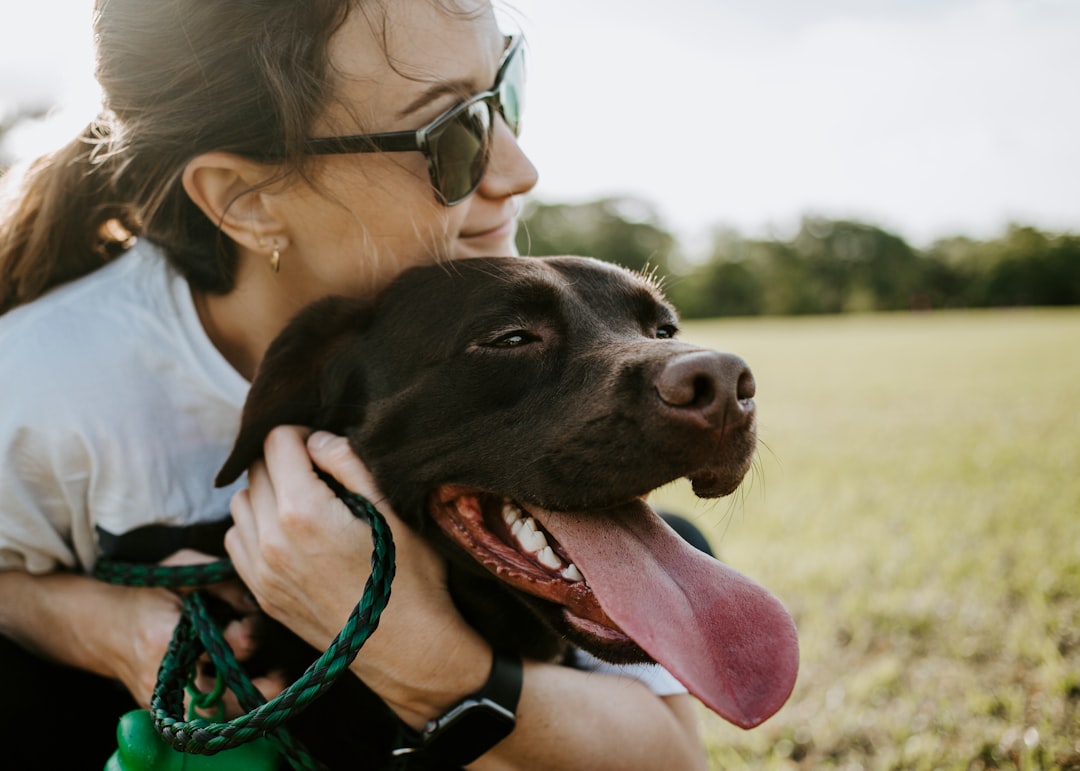
Photo by Wade Austin Ellis on Unsplash


