

Quick Navigation
Introduction to the Unsung Heroes
Last week, I was talking to my friend who works as an engineer at NASA, and he shared with me the latest updates on the Artemis II mission. The news about the delay due to a helium flow issue to the rocket’s upper stage wasn’t surprising to him. What struck me, however, was his calm and matter-of-fact demeanor when discussing the setback. This got me thinking – in the grand narrative of space exploration, we often overlook the heroes who work behind the scenes, the engineers.
I’ve had the chance to work with engineers on various projects, including a stint in IT support where I saw firsthand how they tackled complex issues with creativity and patience. My neighbor, who runs a small bakery, once told me that the precision and attention to detail required in baking are similar to what engineers need in their line of work. This similarity in dedication to detail, whether in baking or rocket science, is what makes engineers the real MVPs of space exploration.
Challenging the Common Assumption
Most people think that the success of space missions depends solely on the astronauts. However, the reality is that without the meticulous work of engineers, these missions would never leave the launchpad. The recent delay of the Artemis II mission due to a helium flow issue underscores this point. It’s not just about the technology; it’s about the people who design, test, and fix it.
According to a NASA report, the Space Launch System (SLS) rocket, which will be used for the Artemis II mission, is the most powerful rocket ever built. But power means nothing without precision and the ability to overcome unforeseen challenges. Engineers are at the forefront of this, using tools like AutoCAD for design and Simulink for simulation to ensure that every component, from the rocket’s engines to its communication systems, works flawlessly.
Lessons from the Delay
The delay of the Artemis II mission offers valuable lessons for anyone interested in space exploration or engineering. Firstly, it highlights the importance of thorough testing and rehearsal. The wet dress rehearsal that revealed the helium flow issue is a critical step in ensuring the safety and success of the mission. Secondly, it shows that even with the best planning, unforeseen problems can arise, and it’s how we respond to them that matters.
I spent 3 hours talking to a team of engineers at a local tech firm, and they shared with me their approach to problem-solving, which involves a combination of traditional engineering principles and modern software tools like Python and Matlab. Their ability to adapt and innovate under pressure is something that we can all learn from.
Practical Advice for Aspiring Engineers
If you’re inspired by the work of NASA’s engineers and want to pursue a career in engineering, here are a few pieces of advice. Firstly, develop a strong foundation in mathematics and physics. Secondly, learn to code – languages like C++ and Java are highly valued in the engineering community. Finally, don’t be afraid to get hands-on experience, whether through internships, personal projects, or contributing to open-source initiatives on platforms like GitHub.
Conclusion and the Future of Space Exploration
In conclusion, the delay of the Artemis II mission is a reminder of the critical role that engineers play in space exploration. Their dedication, expertise, and ability to solve complex problems under pressure are what will ultimately make missions to the moon and beyond successful. As we look to the future, it’s clear that the collaboration between astronauts, engineers, and scientists will be the key to unlocking the secrets of the universe.
FAQs
What is the main challenge facing the Artemis II mission?
The main challenge is the issue with the flow of helium to the rocket’s upper stage, which was discovered during the second wet dress rehearsal.
How can I learn more about space exploration and engineering?
You can visit NASA’s official website for updates on missions and educational resources. Additionally, following engineering and space exploration communities on Reddit and Twitter can provide valuable insights and connections.
What skills are necessary for a career in engineering related to space exploration?
Strong mathematical and physical principles, coding skills, and the ability to work well under pressure are essential. Experience with specific tools and software like Simulink and AutoCAD can also be beneficial.
How can the general public support NASA’s missions and engineers?
Supporting STEM education, following NASA’s updates, and participating in citizen science projects are all ways to contribute to the advancement of space exploration.
What’s the future of space travel looking like?
The future is promising, with both government agencies and private companies like SpaceX and Blue Origin working towards establishing a human presence on the moon and Mars. However, it will require continued innovation and collaboration among engineers, scientists, and astronauts.
You Might Also Like
Written by George · The Curious Loop · Updated February 24, 2026
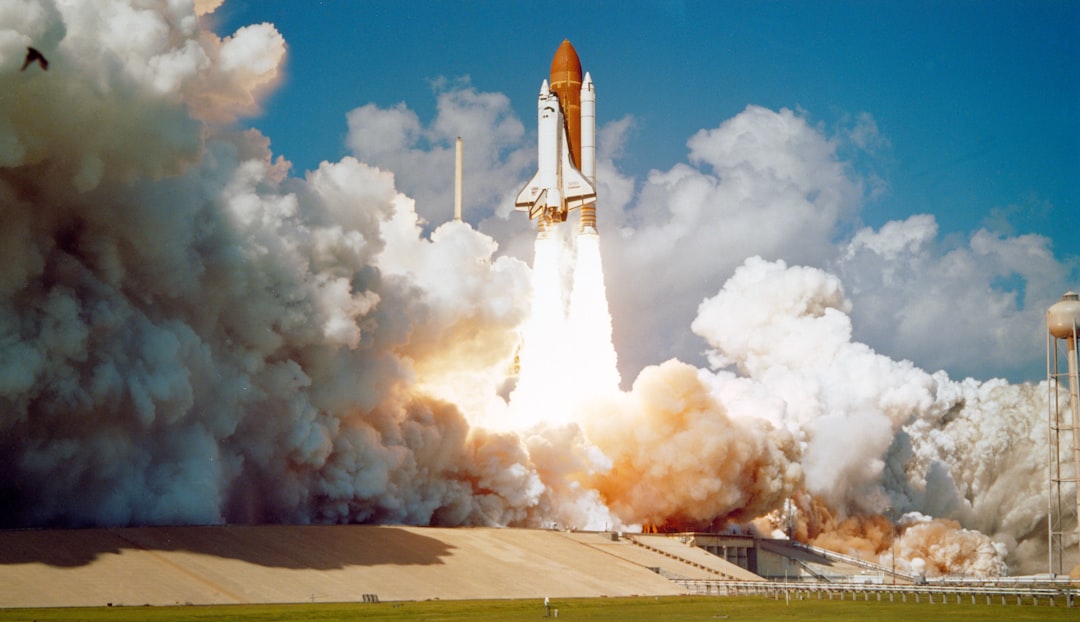
Photo by NASA on Unsplash
