







Quick Navigation
Introduction to The Cube
I still remember the first time I watched Jim Henson’s The Cube. It was a few years ago, when I stumbled upon an old recording of the 1969 teleplay on YouTube. As a huge fan of Henson’s work, I was intrigued by the idea of a Muppetless production that explored the boundaries of human imagination and reality. The 53-minute film is a thought-provoking, psychological thriller that challenges the viewer to question what is real and what is just a product of the protagonist’s mind.
As I watched The Cube, I couldn’t help but think of my own experiences with the power of imagination. As a child, I would spend hours creating elaborate fantasies, using my toys and surroundings to bring my ideas to life. This ability to imagine and create has stayed with me to this day, and I believe it’s an essential part of what makes us human. But what happens when our imagination becomes too powerful, and we start to lose touch with reality?
The Psychology of The Cube
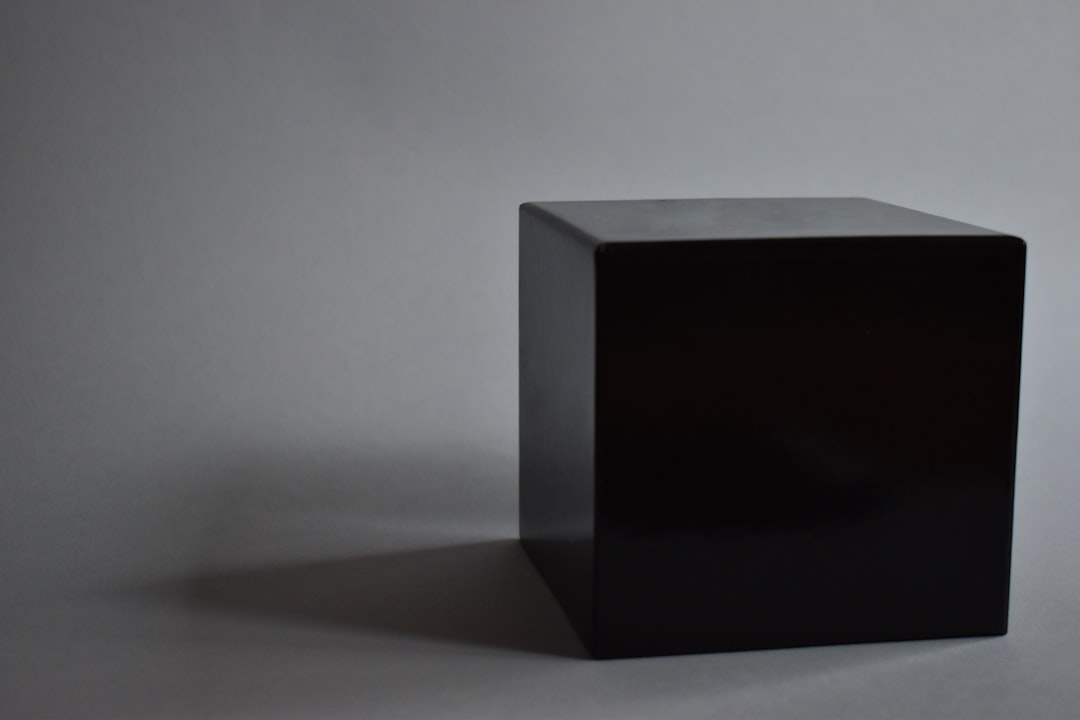
One of the most interesting aspects of The Cube is its exploration of the psychological effects of isolation and sensory deprivation. The protagonist, a man who finds himself trapped in a featureless, cube-shaped room, is forced to confront the limits of his own imagination and the blurred lines between reality and fantasy. This is a theme that has been explored in various fields, including psychology and neuroscience, and it’s fascinating to see how Henson approached it in The Cube.
According to a study published in the National Institute of Mental Health, sensory deprivation can have profound effects on the human brain, including hallucinations, disorientation, and even psychosis. The Cube’s portrayal of these effects is both haunting and thought-provoking, and it raises important questions about the nature of reality and our perception of it.
Challenging Common Assumptions
One common assumption about The Cube is that it’s a product of its time, a relic of the 1960s counterculture movement that explored the boundaries of art and reality. While it’s true that The Cube was influenced by the experimental spirit of the era, I believe it’s more than just a historical artifact. The film’s themes of isolation, imagination, and the blurring of reality and fantasy are timeless, and they continue to resonate with audiences today.
In fact, The Cube can be seen as a precursor to more modern explorations of these themes, such as the TV series Black Mirror. Both The Cube and Black Mirror challenge our assumptions about the impact of technology on our lives, and they force us to confront the darker aspects of human nature. By examining these themes through the lens of The Cube, we can gain a deeper understanding of the psychological and philosophical implications of emerging technologies.
Practical Applications
So, what can we learn from The Cube, and how can we apply its themes to our own lives? One important takeaway is the importance of maintaining a balance between our imagination and reality. While imagination is a powerful tool for creativity and problem-solving, it’s essential to stay grounded in the real world and avoid getting lost in our own fantasies.
One way to achieve this balance is by practicing mindfulness and meditation. Tools like Headspace and Calm can help you cultivate a greater awareness of your thoughts and emotions, and they can provide a healthy outlet for your imagination. Additionally, engaging in creative activities like writing, art, or music can help you express your imagination in a positive and constructive way.
Frequently Asked Questions
What is The Cube, and how can I watch it?
The Cube is a 1969 teleplay written and directed by Jim Henson, and it’s available to stream on various online platforms, including YouTube and Amazon Prime.
What are some other works by Jim Henson that explore mature themes?
Some other notable works by Jim Henson that explore mature themes include The Dark Crystal, Labyrinth, and The Storyteller. These films and TV series all feature complex, thought-provoking storylines and characters, and they’re definitely worth checking out.
How can I use mindfulness and meditation to balance my imagination and reality?
There are many resources available to help you get started with mindfulness and meditation, including apps like Headspace and Calm, and online courses like those offered by Coursera and Udemy. You can also try practicing mindfulness in your daily activities, such as eating or walking, and see how it can help you stay grounded and focused.
You Might Also Like
Written by George · The Curious Loop · Updated June 29, 2026
Photo by Tommy Diner on Unsplash


