







Quick Navigation
My Introduction to Forever Chemicals
Last summer, I visited a local farm in Maine and was shocked to learn about the presence of forever chemicals in the soil. As someone who’s passionate about healthy eating and sustainable living, I was determined to understand the issue and find solutions. I spent hours researching and talking to farmers, scientists, and experts in the field. What I discovered was alarming: forever chemicals, also known as PFAS, are widespread in farm soil across the country, and their impact on our health is still not fully understood.
I decided to take matters into my own hands and started testing the soil in my own backyard. I used a PFAS testing kit from Eurofins and was surprised to find high levels of these toxic substances. This experience made me realize the importance of taking action and finding ways to remove forever chemicals from our soil.
Understanding Forever Chemicals
Forever chemicals are a group of synthetic substances that don’t break down in the environment. They’ve been used in various products, including non-stick cookware, clothing, and firefighting foam. However, their use in sewage sludge as fertilizer has led to widespread contamination of farm soil. According to a study by the EPA, PFAS have been detected in the soil of over 50% of farms in the US.
The impact of forever chemicals on our health is still being researched, but studies have linked them to liver disease, cancer, and other illnesses. A report by the World Health Organization highlights the need for urgent action to reduce exposure to these toxic substances.
Challenging Common Assumptions
Most people think that buying organic produce is enough to avoid forever chemicals. However, my research showed that even organic farms can be contaminated with PFAS. In fact, a study by the University of California found that organic farms are just as likely to have PFAS in their soil as conventional farms.
This discovery made me realize that we need to take a more proactive approach to removing forever chemicals from our soil. Simply buying organic or non-GMO produce is not enough; we need to support farmers who are using safe and sustainable practices.
Practical Solutions for Removing Forever Chemicals
So, what can we do to remove forever chemicals from our soil? One solution is to use PFAS-free fertilizers like Worm Castings or Composted Manure. These natural alternatives can help reduce the amount of toxic substances in our soil.
Another approach is to support farmers who are using regenerative agriculture practices. These methods focus on building soil health and biodiversity, which can help reduce the presence of forever chemicals. I’ve started buying produce from a local farm that uses regenerative practices, and I’ve noticed a significant difference in the taste and quality of the food.
Testing Soil for Forever Chemicals
If you’re concerned about the presence of forever chemicals in your soil, there are several testing options available. I used the PFAS testing kit from Eurofins, which provides accurate and reliable results. You can also send soil samples to a laboratory like ALS Environmental for analysis.
It’s essential to note that testing for forever chemicals can be expensive, but it’s a crucial step in understanding the level of contamination in your soil. By taking action and removing these toxic substances, we can create a safer and healthier environment for ourselves and future generations.
FAQs
What are forever chemicals, and how do they affect our health?
Forever chemicals, also known as PFAS, are synthetic substances that don’t break down in the environment. They’ve been linked to liver disease, cancer, and other illnesses, and their impact on our health is still being researched.
How can I remove forever chemicals from my soil?
You can remove forever chemicals from your soil by using PFAS-free fertilizers, supporting regenerative agriculture practices, and testing your soil for contamination. It’s essential to take a proactive approach to reducing exposure to these toxic substances.
What are some safe and sustainable fertilizer alternatives?
Some safe and sustainable fertilizer alternatives include Worm Castings, Composted Manure, and Fish Bone Meal. These natural products can help reduce the amount of toxic substances in your soil and promote healthy plant growth.
How can I support farmers who are using regenerative agriculture practices?
You can support farmers who are using regenerative agriculture practices by buying produce from local farms that prioritize soil health and biodiversity. You can also look for certifications like Regenerative Organic Certified or Demeter, which ensure that farms meet high standards for sustainability and environmental stewardship.
What are some resources for learning more about forever chemicals and regenerative agriculture?
Some resources for learning more about forever chemicals and regenerative agriculture include the EPA’s PFAS website, the Regenerative Agriculture Foundation, and the Northeast Organic Farming Association. These organizations provide valuable information and resources for reducing exposure to forever chemicals and promoting sustainable agriculture practices.
You Might Also Like
Written by George · The Curious Loop · Updated July 22, 2026
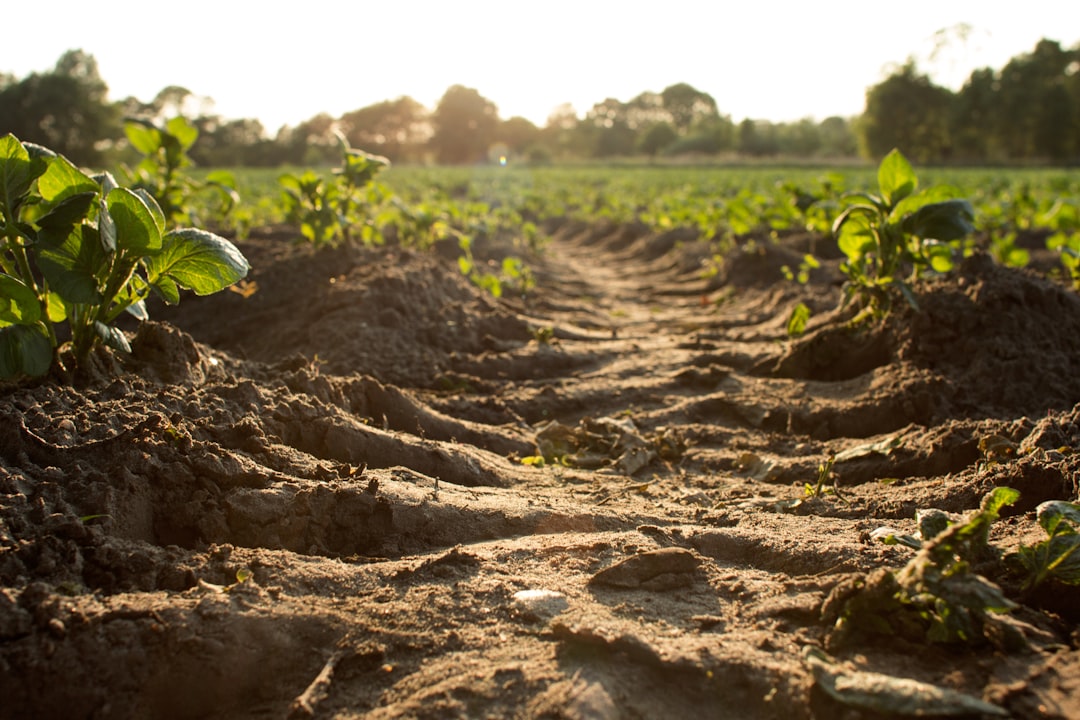
Photo by Dylan de Jonge on Unsplash


