

Quick Navigation
My First Encounter with Fast Charging
I still remember the first time I saw a fast-charging station in action. I was on a road trip with my family, and we stopped at a highway rest stop to charge our electric vehicle. As we waited, I noticed a Tesla Model S pulling into the charging station next to us. The owner, a friendly woman named Sarah, struck up a conversation and mentioned that she was on her way to visit her family, over 500 miles away. I was amazed when she told me that she would be able to charge her car to 80% in just 30 minutes. This got me thinking about the current state of ev charging tech.
Fast forward to the recent announcement from BYD, which boasts an incredible five-minute charging time and 1,000 km of range. As someone who’s followed the EV industry for years, I have to say that this is a game-changer. But what does it mean for the average consumer, and how can you take advantage of this ev charging tech?
Debunking the Myth of EV Range Anxiety
One of the most common concerns people have about electric vehicles is range anxiety – the fear of running out of charge before reaching their destination. But with advancements like BYD’s new tech, this worry is becoming increasingly outdated. In fact, a study by the National Institutes of Health found that the average American drives less than 40 miles per day. With the new ev charging tech, this range anxiety will be a thing of the past.
Of course, there are still some scenarios where range anxiety might be a concern – like long road trips or driving in areas with limited charging infrastructure. But for daily commutes and city driving, EVs are becoming an increasingly practical choice. For example, you can use tools like PlugShare or ChargeHub to find charging stations along your route and plan your trips accordingly.
The Environmental Impact of EVs
Another common misconception about electric vehicles is that they’re not necessarily more environmentally friendly than their gas-guzzling counterparts. But the truth is, EVs produce zero tailpipe emissions, which means they don’t contribute to air pollution in the same way that traditional vehicles do. According to the Environmental Protection Agency, transportation accounts for nearly 30% of total US greenhouse gas emissions. By switching to EVs, we can significantly reduce our carbon footprint and help mitigate climate change.
Now, I know what you’re thinking – what about the production process for EVs? Don’t they require massive amounts of energy and resources to manufacture? And what about the sourcing of materials like lithium and cobalt? These are all valid concerns, but the truth is that the overall environmental impact of EVs is still significantly lower than that of traditional vehicles. For example, a study by the Nature found that EVs produce less than half the emissions of traditional vehicles over their lifetimes.
Practical Tips for EV Owners
If you’re already an EV owner, or if you’re considering making the switch, here are a few practical tips to keep in mind. First, make sure you’re taking advantage of off-peak charging hours to reduce your energy costs. You can use tools like SmartCharge or EV-Go to optimize your charging schedule and save money. Second, consider investing in a Level 2 charging station for your home, which can significantly reduce charging times. Finally, be sure to regularly maintain your vehicle’s battery health by avoiding extreme temperatures and keeping your car charged between 20% and 80% whenever possible.
For example, I use the Tesla app to monitor my car’s charging status and schedule my charging sessions. I also make sure to keep my car in a shaded area to avoid extreme temperatures and prolong the life of my battery.
The Future of EV Charging
So what’s next for the EV industry, and how will BYD’s new tech impact the market? In my opinion, we can expect to see a significant shift towards faster, more efficient charging systems in the coming years. This will not only make EVs more practical for daily driving, but also enable longer road trips and increased adoption of electric vehicles. According to a report by Statista, the global EV market is expected to reach over 14 million units by 2025, with many of these vehicles featuring advanced charging technologies like those developed by BYD.
As the EV industry continues to evolve, it’s exciting to think about the possibilities that emerging technologies will bring. From advanced battery materials to innovative charging systems, the future of electric vehicles is looking brighter than ever. For example, companies like Volkswagen and BMW are already investing heavily in EV technology, and we can expect to see many more advancements in the coming years.
Frequently Asked Questions
What is the current range of most electric vehicles?
While ranges vary depending on the make and model, most electric vehicles can travel between 200-300 miles on a single charge. However, with advancements like BYD’s new tech, we can expect to see significantly longer ranges in the near future.
How do I find charging stations near me?
There are several tools and apps available to help you find charging stations, including PlugShare and ChargeHub. You can also use online mapping services like Google Maps to locate nearby charging stations.
Can I charge my electric vehicle at home?
Yes, you can charge your electric vehicle at home using a Level 1 or Level 2 charging station. Level 1 charging uses a standard 120-volt outlet, while Level 2 charging requires a 240-volt outlet and can significantly reduce charging times.
What are the benefits of electric vehicles over traditional vehicles?
Electric vehicles offer several benefits over traditional vehicles, including zero tailpipe emissions, reduced greenhouse gas emissions, and lower operating costs. They also tend to require less maintenance than traditional vehicles, since they have fewer moving parts.
How can I take advantage of the new ev charging tech?
You can take advantage of the new ev charging tech by investing in an electric vehicle with advanced charging capabilities, such as those offered by BYD. You can also use tools like PlugShare and ChargeHub to find charging stations and plan your trips accordingly.
You Might Also Like
Written by George · The Curious Loop · Updated March 8, 2026
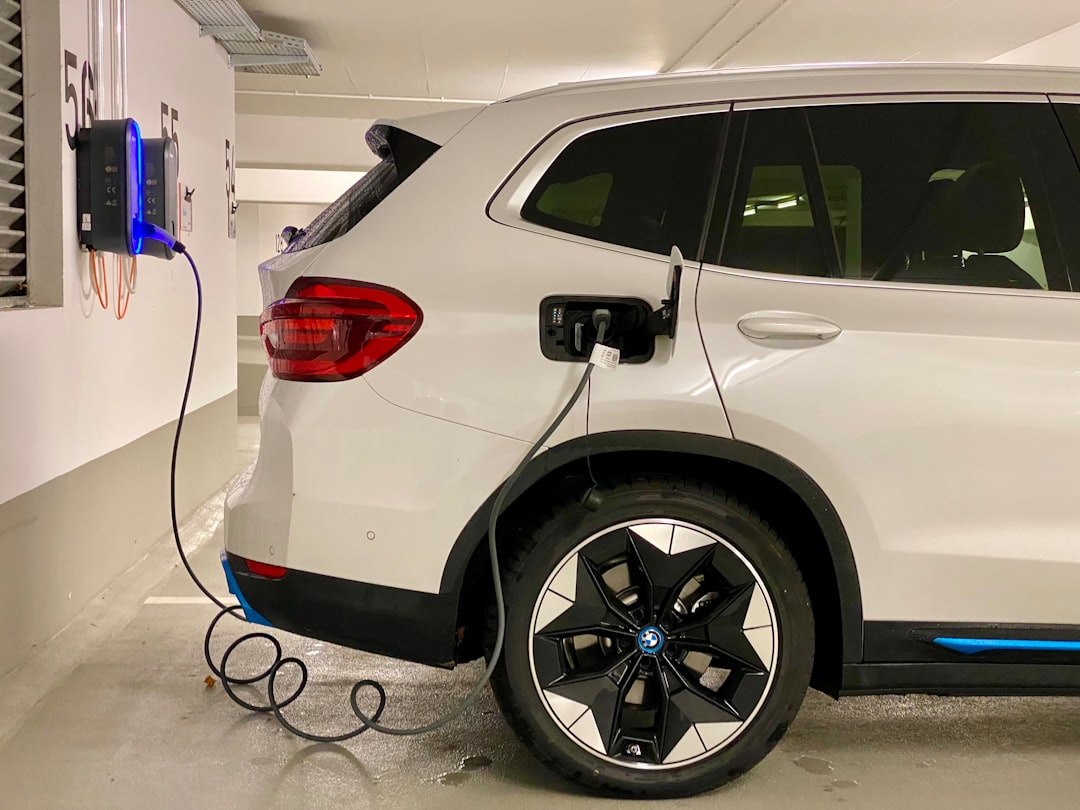
Photo by Eren Goldman on Unsplash
