

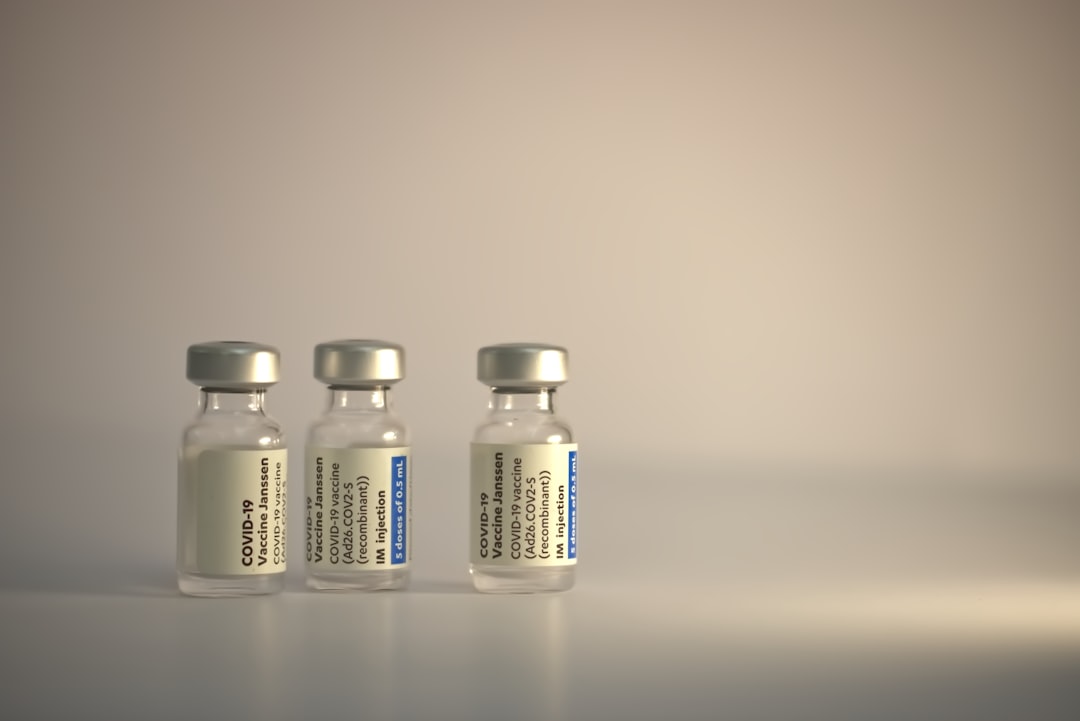
Aluminum Salts and Childhood Vaccines: A Growing Concern
In recent months, there has been increasing scrutiny surrounding the use of aluminum salts as an additive in childhood vaccines. Federal health officials are beginning to take a closer look at the implications of these compounds, leading to concerns among parents and healthcare providers alike. Under the leadership of Health Secretary Robert F. Kennedy Jr., this scrutiny may set the stage for future regulations and guidelines regarding vaccine safety and efficacy. As we delve deeper into this topic, we will explore the role of aluminum salts in vaccines, the reasons for the current scrutiny, and the potential impact on public health.
Quick Takeaways
- Aluminum salts are commonly used as adjuvants in vaccines.
- Recent federal scrutiny may lead to new regulations on vaccine additives.
- Health Secretary Robert F. Kennedy Jr. is expected to influence vaccine policy.
- Concerns among parents regarding vaccine safety are on the rise.
- Understanding the science behind aluminum salts is crucial for informed decisions.
- The impact of potential changes in vaccine policy could be significant for public health.
The Role of Aluminum Salts in Vaccines
Aluminum salts are used in vaccines to enhance the body’s immune response to the vaccine. By acting as adjuvants, these compounds help to boost the effectiveness of the vaccine, ensuring that the body produces a stronger and more durable immune response. This has been particularly important in the development of vaccines for diseases that require a robust immune reaction.
Understanding Adjuvants
Adjuvants play a critical role in vaccine development and efficacy. They help to stimulate the immune system, making vaccines more effective at preventing disease. However, the use of certain adjuvants has come under scrutiny, prompting federal health officials to reassess their safety and effectiveness.
Federal Scrutiny of Aluminum Salts
The recent attention on aluminum salts stems from growing concerns regarding their safety, particularly in childhood vaccines. Health officials are investigating the long-term effects of these additives, especially given that children receive multiple vaccinations that contain aluminum salts during their early years.
The Science Behind the Concerns
Studies have shown that while aluminum salts are generally considered safe in small doses, there is ongoing debate about their cumulative effects when children receive multiple vaccines. Some researchers argue that the exposure to aluminum from vaccines could pose health risks, leading to calls for further investigation.
Public Reaction to Vaccine Safety
As information about aluminum salts and vaccine safety circulates, parents are becoming more concerned about the potential risks of vaccinating their children. This has led to increased demand for transparency and more information from health officials regarding vaccine ingredients and their safety profiles.
The Role of Health Secretary Robert F. Kennedy Jr.
Robert F. Kennedy Jr. has been a vocal advocate for vaccine safety and has raised questions about the use of aluminum salts in vaccines. His leadership position places him in a unique position to influence policy decisions and potentially reshape the landscape of vaccine regulations in the United States.
Potential Implications for Vaccination Policies
If the scrutiny around aluminum salts leads to new regulations, it could have significant implications for vaccination policies. Changes could include revised guidelines on the use of certain adjuvants, increased testing requirements, or even modifications in vaccine formulations.
Impact on Public Health
Any changes to vaccine policies could affect vaccination rates, which in turn could lead to changes in public health outcomes. It is crucial to balance safety concerns with the need to maintain high vaccination rates to protect community health.
Related Resources
Frequently Asked Questions
1. What are aluminum salts used for in vaccines?
Aluminum salts are used as adjuvants to enhance the immune response to vaccines.
2. Are aluminum salts safe for children?
While generally considered safe in small doses, there are ongoing debates about their long-term effects.
3. How many vaccines contain aluminum salts?
Many childhood vaccines include aluminum salts as part of their formulation.
4. What is the role of the CDC in vaccine safety?
The CDC monitors vaccine safety and provides guidelines for vaccine administration.
5. What should parents know about vaccines and aluminum?
Parents should be informed about vaccine ingredients and potential risks, but also the benefits of vaccination.
6. How can I stay updated on vaccine safety issues?
Following reputable health organizations such as the CDC and WHO is recommended for the latest information.
7. What actions are being taken regarding aluminum salts in vaccines?
Federal health officials are currently reviewing the safety of aluminum salts, which may lead to new regulations.
Conclusion
The scrutiny surrounding aluminum salts in childhood vaccines presents a pivotal moment in public health discussions. As health officials, led by Health Secretary Robert F. Kennedy Jr., investigate the safety of these additives, it is essential for parents and healthcare providers to stay informed. Understanding the role of aluminum salts in vaccine efficacy, as well as the potential risks associated with their use, is critical for making informed decisions about vaccination. The balance between ensuring vaccine safety and maintaining high immunization rates will be crucial in the coming years, especially as public concern continues to grow. By fostering open dialogue and providing transparent information, we can work together to promote public health while addressing safety concerns.
Photo by Guido Hofmann on Unsplash
