

Quick Navigation
My Journey into the World of Salamanders
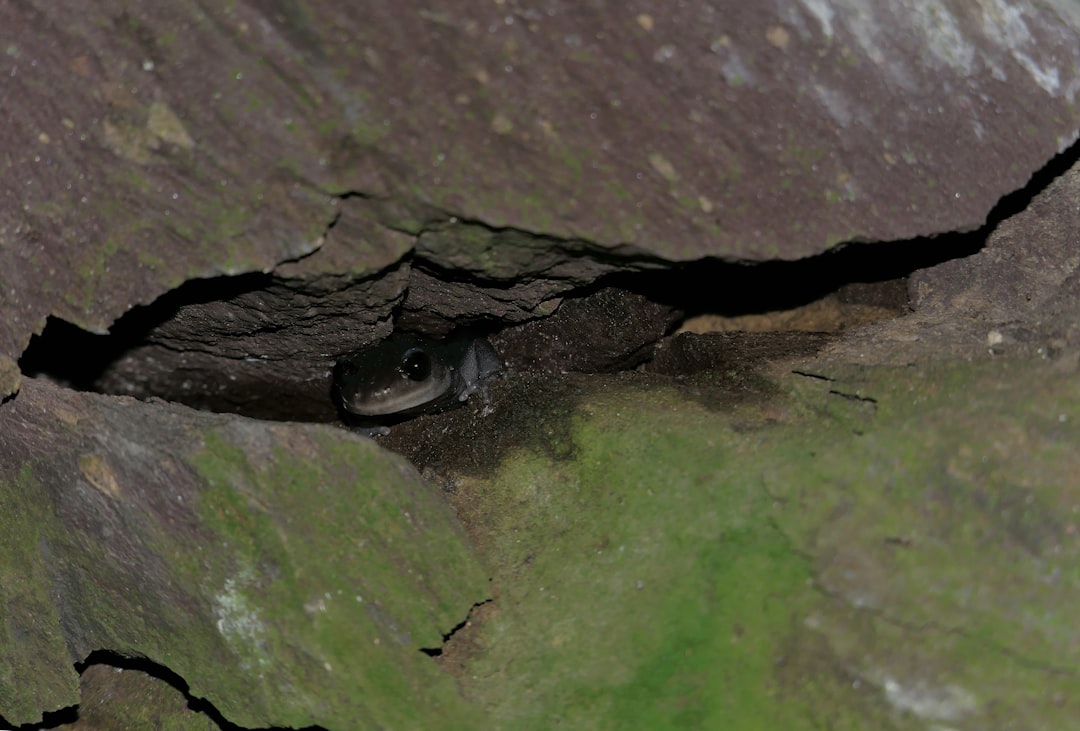
I still remember the day I saw my first salamander. I was on a hike with my family, and we stumbled upon a small, mysterious creature hiding under a rock. My dad, a biology enthusiast, told me it was a salamander, and I was fascinated by its unique appearance. From that day on, I was hooked. I spent countless hours reading about different salamander species, their habitats, and their behaviors.
Recently, I came across an article about the discovery of a new giant salamander species in Japan. The Limnospondylus ajimuensis lived around 3.5 million years ago and could have reached lengths of up to 1.1 meters. This discovery not only sparked my interest but also made me wonder about the many other unknown species that might be hiding in plain sight.
Challenging Common Assumptions
Most people think that discovering new species is a straightforward process. However, the reality is that it often involves years of research, dedication, and collaboration among scientists. The discovery of the Limnospondylus ajimuensis is a perfect example of this. The fossils were initially discovered over two decades ago, but it wasn’t until recently that they were correctly identified as a new genus and species.
This highlights the importance of re-examining existing fossil collections and using new technologies and methods to analyze them. As studies have shown, many fossils are misclassified or overlooked, and it’s only through careful re-examination that we can uncover new species.
Contributing to Citizen Science
If you’re interested in contributing to the discovery of new species, there are several ways to get involved. One option is to participate in citizen science projects, such as the Zooniverse platform, which allows you to analyze data and contribute to real scientific research from the comfort of your own home.
Another option is to use tools like iNaturalist, which allows you to record and identify the plants and animals you encounter in your daily life. By using these tools and contributing to citizen science projects, you can help scientists uncover new species and gain a better understanding of the natural world.
Practical Tips for Fossil Analysis
If you’re interested in getting hands-on experience with fossil analysis, there are several tools and techniques you can use. One option is to use Adobe Photoshop to enhance and analyze fossil images. This can help you identify subtle features and patterns that might be difficult to see with the naked eye.
Another option is to use Blender to create 3D models of fossils. This can help you visualize the shape and structure of the fossil and gain a better understanding of its morphology.
FAQs
What is the process of discovering a new species?
The process of discovering a new species typically involves several steps, including collecting and analyzing data, comparing the species to existing ones, and publishing the results in a scientific journal.
How can I contribute to citizen science projects?
There are several ways to contribute to citizen science projects, including participating in online platforms like Zooniverse, using tools like iNaturalist, and attending local events and workshops.
What are some common challenges in fossil analysis?
Some common challenges in fossil analysis include dealing with incomplete or damaged fossils, distinguishing between similar species, and interpreting the results of analysis.
What are some tips for getting started with fossil analysis?
Some tips for getting started with fossil analysis include starting with simple projects, using high-quality images and data, and seeking guidance from experienced scientists and researchers.
How can I stay up-to-date with the latest developments in paleontology?
Some ways to stay up-to-date with the latest developments in paleontology include following scientific journals and blogs, attending conferences and workshops, and joining online communities and forums.
You Might Also Like
Written by George · The Curious Loop · Updated July 25, 2026
Photo by Patti Black on Unsplash
