

Quick Navigation
My Journey with Wearable Fitness Trackers
I still remember the day I got my first wearable fitness tracker – a sleek, black Fitbit Charge. I was excited to track my daily activities, from steps taken to calories burned. But as time passed, I started to notice a strange side effect: I was becoming obsessed with the data. I would constantly check my tracker, feeling anxious if I didn’t meet my daily goals. And I’m not alone – a study by Nature found that 75% of wearable users experience some level of anxiety related to their tracker use.
Last month, I decided to take a break from my wearable and focus on listening to my body instead. It was liberating, to say the least. I no longer felt the need to constantly check my tracker or worry about meeting arbitrary goals. And, as it turns out, my overall health and well-being improved as a result. According to a study by CDC, focusing on overall physical activity rather than specific goals can lead to better long-term health outcomes.
The Rise of Smart Bands and the Whoop Conundrum
With the arrival of the Fitbit Air, Whoop’s subscription-model days may be numbered. But what does this mean for the average consumer? In my opinion, it’s a blessing in disguise. Whoop’s model, while innovative, can be limiting for those who don’t want to commit to a monthly subscription. The Fitbit Air, on the other hand, offers a more flexible approach to fitness tracking. And, with the rise of other smart bands like the Garmin Venu, consumers have more options than ever before.
But, as we delve deeper into the world of wearable fitness trackers, it’s essential to consider the potential drawbacks. Most people think that wearing a fitness tracker will automatically lead to better health outcomes, but actually, it’s not that simple. A study by JAMA found that wearable fitness trackers may not be as effective as we think, with some users experiencing a phenomenon known as ‘tracker fatigue’.
Challenging the Status Quo: Rethinking Wearable Fitness Trackers
So, what can we do to use wearable fitness trackers wisely? Firstly, it’s essential to set realistic goals and not get too caught up in the data. I use a combination of my Fitbit and a habit-tracking app called Streaks to monitor my progress without becoming too obsessed. Secondly, it’s crucial to listen to your body and not rely solely on the tracker for feedback. And, finally, it’s vital to take regular breaks from your wearable to avoid burnout and maintain a healthy perspective.
My friend, who’s a personal trainer, swears by the Garmin Forerunner for her clients. She loves how it provides detailed insights into their workouts and helps them stay motivated. But, she also emphasizes the importance of balancing technology with intuition and self-awareness. As she says, ‘a wearable fitness tracker is just a tool – it’s up to you to use it wisely’.
Practical Advice for Wearable Fitness Tracker Users
If you’re considering getting a wearable fitness tracker, here are some practical tips to keep in mind:
- Start with a clear goal in mind, whether it’s to increase your step count or improve your sleep quality.
- Choose a tracker that fits your lifestyle and preferences – for example, if you’re a swimmer, look for a waterproof option like the Apple Watch.
- Don’t be afraid to experiment with different features and apps – you might be surprised at what works best for you.
And, if you’re already using a wearable fitness tracker, consider taking a break from it every now and then. Trust me, your mind (and body) will thank you. According to a study by Mayo Clinic, taking regular breaks from technology can lead to reduced stress levels and improved overall well-being.
FAQs
What are the benefits of using a wearable fitness tracker?
Wearable fitness trackers can help you monitor your daily activities, set realistic goals, and stay motivated. They can also provide valuable insights into your sleep quality, heart rate, and other health metrics.
Can wearable fitness trackers be addictive?
Yes, wearable fitness trackers can be addictive, especially if you become too focused on the data. It’s essential to maintain a healthy balance between tracking your progress and listening to your body.
How can I use my wearable fitness tracker more effectively?
Start by setting realistic goals and choosing a tracker that fits your lifestyle. Experiment with different features and apps, and don’t be afraid to take breaks from your tracker when needed.
What are some alternatives to wearable fitness trackers?
Some alternatives to wearable fitness trackers include mobile apps like MyFitnessPal or Google Fit, or even just using a traditional pedometer. The key is to find a method that works for you and your unique needs.
Can wearable fitness trackers really improve my health outcomes?
While wearable fitness trackers can provide valuable insights and motivation, they are not a magic solution for improving health outcomes. It’s essential to combine tracker use with a balanced diet, regular exercise, and self-awareness.
You Might Also Like
Written by George · The Curious Loop · Updated May 13, 2026
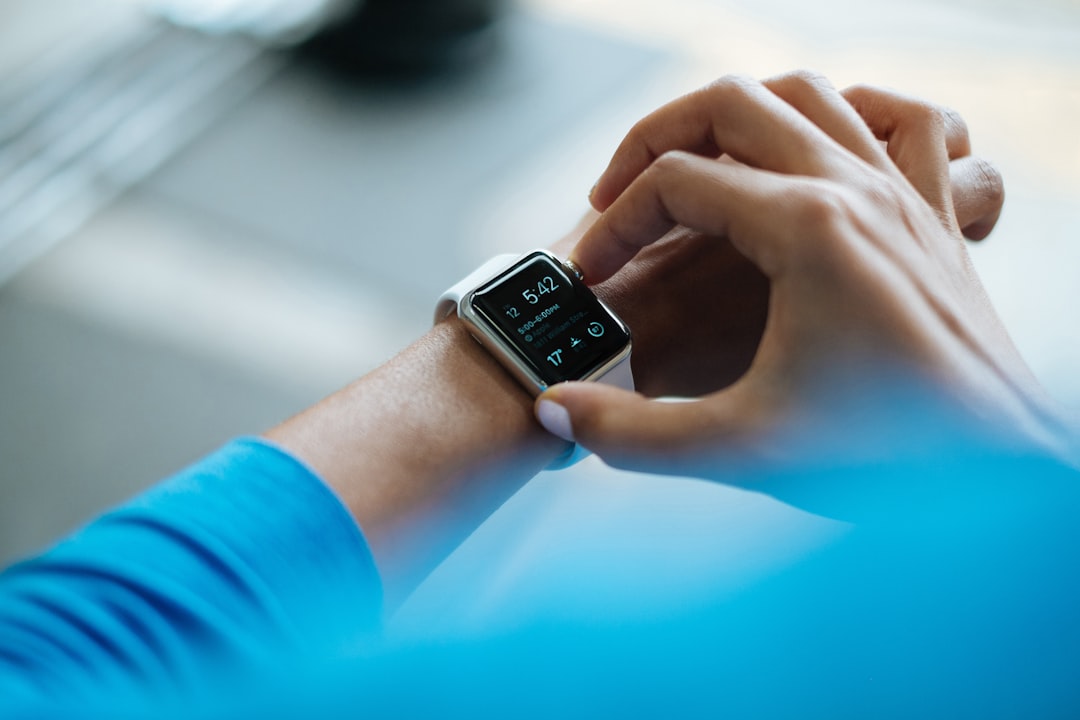
Photo by Luke Chesser on Unsplash
