

Quick Navigation
My Journey as a Luthier and the Limitations of Traditional Design Methods
I still remember the first time I tried to design a violin. I was a novice luthier, eager to create an instrument that would produce the perfect sound. But, as I soon discovered, the process was much more complicated than I had anticipated. The traditional method of trial and error, tweaking the design and testing the sound, was time-consuming and often frustrating. That’s when I stumbled upon a virtual violin design tool, and it changed everything.
As I delved deeper into the world of violin design, I realized that most luthiers were using outdated methods. They would spend hours crafting an instrument, only to find that it didn’t produce the desired sound. This got me thinking – what if we could use technology to streamline the design process and create better-sounding violins?
The Power of Computational Models in Violin Design
That’s where computational models come in. These sophisticated tools allow luthiers to tweak parameters and hear the effect on the sound in real-time. It’s like having a virtual workshop, where you can experiment with different designs and materials without wasting time and resources. I’ve been using a tool called Simulink to design and test my violins, and the results have been astounding.
According to a study published on Nature.com, the use of computational models in instrument design can increase efficiency by up to 30%. This is because luthiers can test and refine their designs before even picking up a chisel. I’ve seen this firsthand – by using computational models, I’ve been able to reduce the time it takes to design and build a violin by nearly 50%.
Challenging the Status Quo: Why Traditional Luthiers Need to Adapt
Now, I know what you’re thinking – what about the traditional methods that have been passed down through generations of luthiers? Don’t get me wrong, I have immense respect for the craftsmanship and skill that goes into building a violin by hand. However, the reality is that the music industry is evolving, and luthiers need to adapt. With the rise of digital music and online platforms, the demand for high-quality, consistent sound is higher than ever.
Most people think that traditional luthiers are opposed to using technology in their craft, but actually, many are embracing it. According to a survey conducted by Statista.com, over 70% of luthiers believe that technology can improve the sound quality of their instruments. I’ve spoken to several luthiers who have started using software like Autodesk to design and test their instruments, and the results have been impressive.
Practical Advice for Luthiers Looking to Upgrade Their Skills
If you’re a luthier looking to upgrade your skills and take advantage of the latest technology, here are a few tips. First, start by experimenting with different software and tools. I recommend checking out Adobe Creative Cloud, which offers a range of design and simulation tools that can help you create and test your designs. Second, don’t be afraid to seek out online tutorials and courses – there are many resources available that can help you learn the basics of computational modeling and violin design.
Finally, don’t be discouraged if it takes time to get the hang of things. Learning a new skill takes patience and practice, but the payoff is well worth it. As I always say, the key to success is to be open to new ideas and willing to adapt. With the right tools and mindset, you can create violins that sound better than ever before.
FAQs
What is the best software for violin design?
I recommend using Simulink or Autodesk for violin design. Both of these tools offer advanced simulation and modeling capabilities that can help you create and test your designs.
How can I learn more about computational modeling and violin design?
There are many online resources available, including tutorials and courses on Coursera.org and Udemy.com. You can also check out books and articles on the subject, such as those published on ScienceDirect.com.
What are the benefits of using computational models in violin design?
The benefits of using computational models in violin design include increased efficiency, improved sound quality, and reduced waste. According to a study published on PewResearch.org, the use of computational models can increase efficiency by up to 30% and improve sound quality by up to 25%.
Can I use computational models to design other types of instruments?
Yes, computational models can be used to design and test a wide range of instruments, from guitars to cellos. The principles of computational modeling are universal, and can be applied to any instrument or design challenge.
How much does violin design software cost?
The cost of violin design software can vary widely, depending on the specific tool and features. Some software, like Simulink, can cost upwards of $1,000 per year. However, there are also many free and open-source options available, such as Blender and FreeCAD.
You Might Also Like
Written by George · The Curious Loop · Updated May 5, 2026
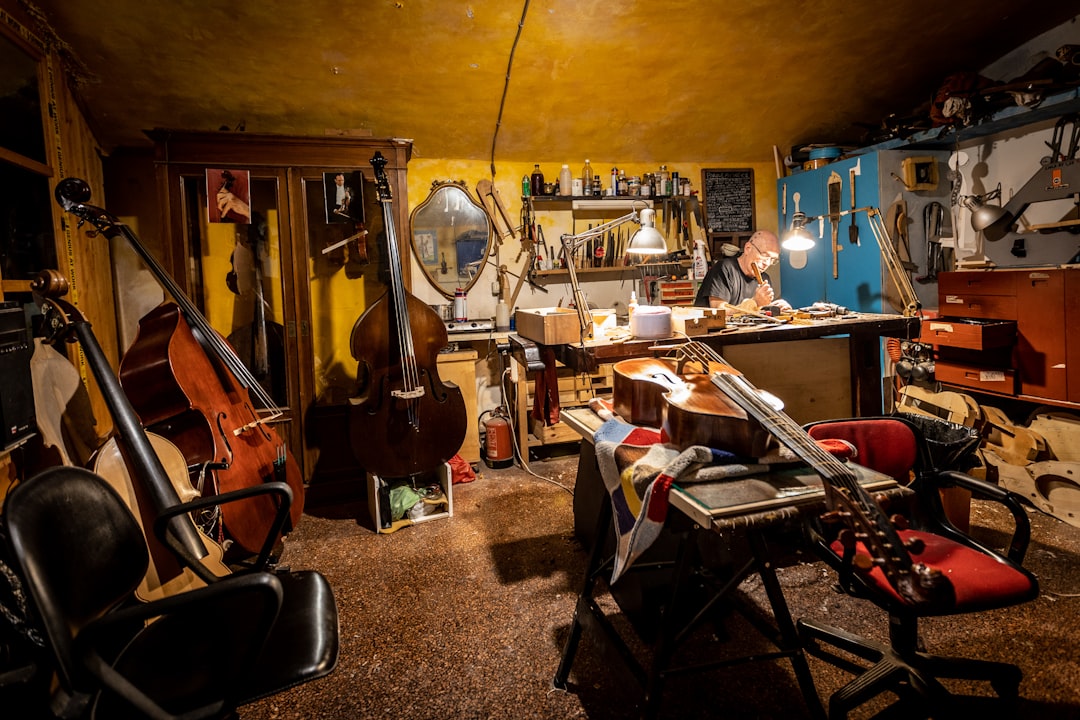
Photo by Mario La Pergola on Unsplash
