

Quick Navigation
The Unexpected Link Between Gut Health and Kidney Stones
Last year, I suffered from my first kidney stone. The excruciating pain was something I never want to experience again. As I delved into research on prevention, I realized that the common advice to ‘just drink more water’ might be oversimplified. My friend, a gastroenterologist, told me that gut health is a critical factor in kidney stone formation. This sparked my interest in exploring the connection between the two.
According to a study published on Nature.com, an imbalance of gut bacteria can lead to increased oxalate absorption, a key component in the formation of kidney stones. This got me thinking: what if the solution to preventing kidney stones lies not just in hydration, but also in maintaining a healthy gut microbiome?
Challenging the Hydration Myth
Most people think that drinking more water is the ultimate solution to preventing kidney stones. However, this assumption might be misleading. While hydration is essential, it’s not the only factor at play. A study by the National Institutes of Health found that the risk of kidney stones is also linked to dietary factors, such as a high intake of animal protein and sodium.
I’ve started using the Cron-o-meter app to track my daily nutrient intake and ensure I’m not overdoing it on the animal protein. I’ve also reduced my sodium intake by switching to Himalayan pink salt and cooking from scratch using fresh ingredients.
Practical Steps to Support Gut Health
So, what can you do to support your gut health and reduce the risk of kidney stones? First, incorporate fermented foods into your diet, such as kimchi, sauerkraut, and kefir. These foods are rich in beneficial bacteria that can help maintain a balanced gut microbiome.
I’ve also started taking a probiotic supplement containing Lactobacillus and Bifidobacterium strains. According to a study published on Mayoclinic.org, these strains have been shown to reduce oxalate absorption and support gut health.
Additional Dietary Changes
In addition to supporting gut health, there are other dietary changes you can make to reduce your risk of kidney stones. Limit your intake of oxalate-rich foods, such as spinach, beets, and rhubarb. Increase your consumption of citrus fruits, such as lemons and oranges, which can help increase urine citrate levels and reduce the risk of stone formation.
Conclusion and Next Steps
In conclusion, while hydration is important, it’s not the only factor in preventing kidney stones. By supporting gut health through dietary changes and supplements, you can reduce your risk of developing these painful stones. Remember, it’s all about finding a balance and making sustainable lifestyle changes.
FAQs
What are the most common types of kidney stones?
Calcium oxalate stones are the most common type, followed by uric acid stones and cystine stones. Understanding the type of stone you have can help you tailor your prevention strategy.
Can kidney stones be prevented through diet alone?
While diet plays a significant role, it’s not the only factor. Staying hydrated, maintaining a healthy weight, and managing underlying medical conditions are also crucial in preventing kidney stones.
What are some natural remedies for kidney stone prevention?
In addition to the dietary changes mentioned earlier, some natural remedies include drinking lemon juice and apple cider vinegar to help increase urine citrate levels and reduce stone formation.
How can I track my nutrient intake to prevent kidney stones?
Use a nutrient tracking app like Cron-o-meter or consult with a registered dietitian to ensure you’re getting the right balance of nutrients to support kidney health.
You Might Also Like
Written by George · The Curious Loop · Updated May 2, 2026
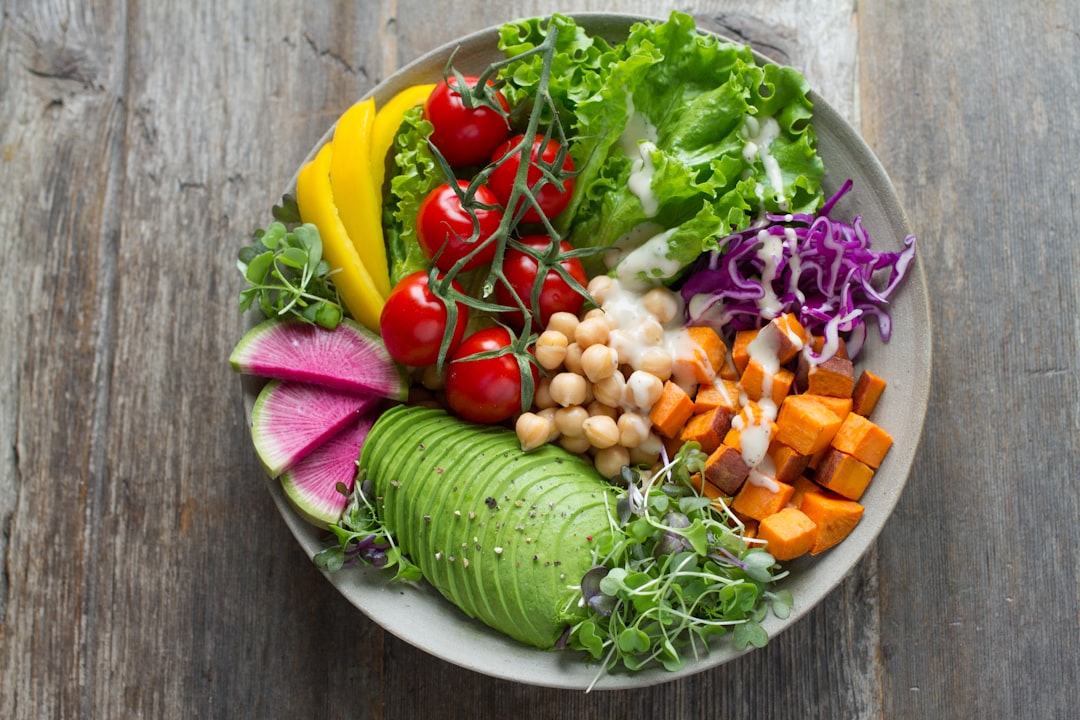
Photo by Anna Pelzer on Unsplash
