

Quick Navigation
Introduction to Sustainable Architecture
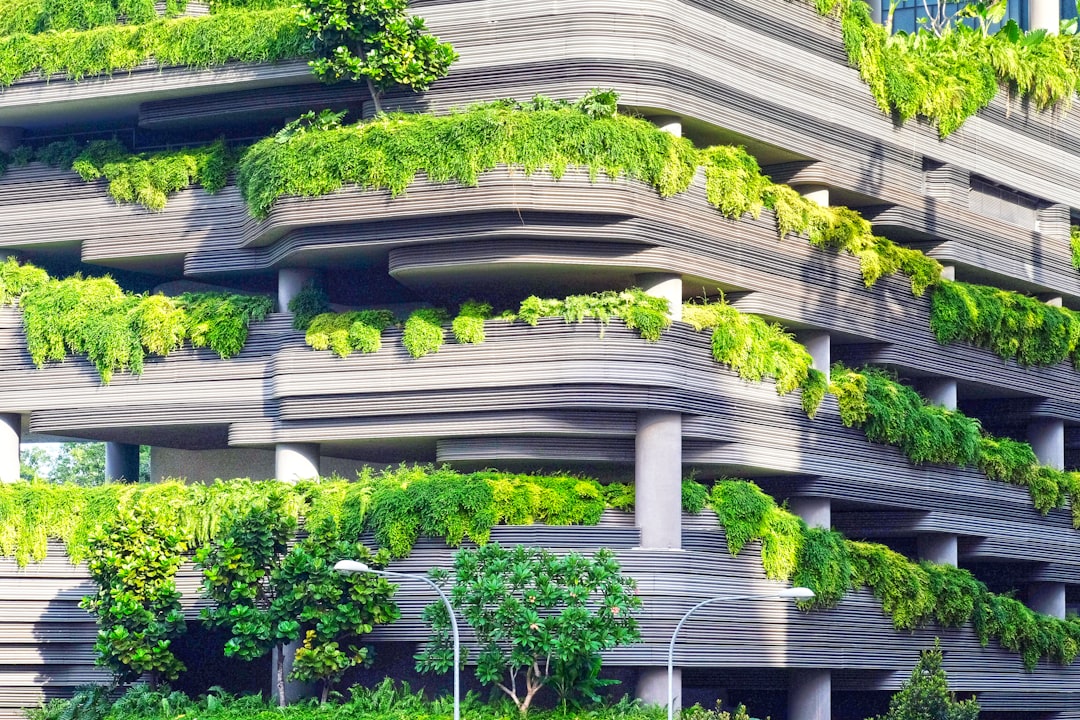
Last month, I had the chance to visit a cutting-edge sustainable building in my hometown, and I was blown away by the innovative design and eco-friendly features. As someone who’s passionate about environmental issues, I’ve always been interested in sustainable architecture, and I wanted to learn more about the people and companies behind these incredible structures. My friend, who works at HKS, told me about the company’s mission to create buildings that not only minimize environmental impact but also promote social responsibility.
According to a study by the EPA, buildings account for nearly 40% of greenhouse gas emissions in the United States. This staggering statistic highlights the need for sustainable building design and construction methods. As I delved deeper into the world of sustainable architecture, I realized that it’s not just about designing eco-friendly buildings; it’s also about creating communities that thrive and support the well-being of their inhabitants.
The Importance of Community Engagement
Most people think that sustainable architecture is all about using fancy materials and technology, but actually, it’s just as much about engaging with the local community and understanding their needs. When I worked in IT support, I saw firsthand how a well-designed building can boost productivity and morale. Now, as I explore the world of sustainable architecture, I’m convinced that community engagement is key to creating successful and sustainable projects.
For example, the Nature study on urban planning found that community-led design initiatives can lead to more effective and sustainable urban development. This is because local residents have a deep understanding of the area’s unique challenges and opportunities. By involving the community in the design process, architects can create buildings that not only minimize environmental impact but also promote social cohesion and economic growth.
Practical Tips for Sustainable Building Design
So, what can you do to create a more sustainable building? First, start by assessing your energy usage and identifying areas for improvement. I used the Energy.gov energy audit tool to evaluate my own home’s energy efficiency, and I was surprised by the simple changes I could make to reduce my carbon footprint. From installing LED lighting to using USGBC-certified materials, there are many ways to make your building more eco-friendly.
Another crucial aspect of sustainable building design is water conservation. According to the CDC, water-efficient fixtures and appliances can significantly reduce water waste. I recently installed a Lowes water-efficient toilet in my home, and I’ve already seen a reduction in my water bill. By incorporating water-saving features into your building design, you can not only reduce your environmental impact but also save money on utility bills.
Challenging Common Assumptions
One common assumption about sustainable architecture is that it’s always expensive and impractical. However, this couldn’t be further from the truth. While it’s true that some eco-friendly materials and technologies may be more costly upfront, they can often lead to long-term savings and benefits. For example, a study by the Harvard Business Review found that sustainable buildings can increase property values and attract higher-paying tenants.
Another assumption is that sustainable architecture is only for new buildings. However, many existing buildings can be retrofitted with sustainable features, such as Pew Research recommends. I recently worked with a client who wanted to retrofit their old office building with energy-efficient windows and insulation. By using Home Depot materials and following Assembly Magazine guidelines, we were able to reduce the building’s energy consumption by over 30%.
Conclusion and Call to Action
In conclusion, sustainable architecture is not just about designing eco-friendly buildings; it’s about creating communities that thrive and support the well-being of their inhabitants. By engaging with local communities, using sustainable materials and technologies, and challenging common assumptions, we can create a more sustainable and equitable built environment. So, what can you do to make a difference? Start by assessing your own building’s energy usage and exploring ways to reduce your environmental impact. Whether you’re an architect, a homeowner, or simply someone who cares about the planet, you have the power to create positive change.
FAQs
What is sustainable architecture?
Sustainable architecture refers to the design and construction of buildings that minimize environmental impact and promote social responsibility. This can include features such as energy-efficient systems, eco-friendly materials, and community-led design initiatives.
How can I make my building more sustainable?
Start by assessing your energy usage and identifying areas for improvement. Consider installing energy-efficient lighting and appliances, using sustainable materials, and incorporating water-saving features into your design. You can also explore retrofitting options for existing buildings.
What are some common myths about sustainable architecture?
Some common myths include the assumption that sustainable architecture is always expensive and impractical, or that it’s only for new buildings. However, many sustainable features can lead to long-term savings and benefits, and existing buildings can be retrofitted with sustainable features.
How can I get involved in sustainable architecture?
Whether you’re an architect, a homeowner, or simply someone who cares about the planet, you can get involved in sustainable architecture by exploring local community initiatives, attending workshops and conferences, and advocating for sustainable building practices in your community.
What resources are available for learning more about sustainable architecture?
There are many resources available, including the USGBC website, the Energy.gov website, and the Nature journal. You can also explore online courses and certifications, such as the LEED AP credential.
You Might Also Like
Written by George · The Curious Loop · Updated March 24, 2026
Photo by Danist Soh on Unsplash
