

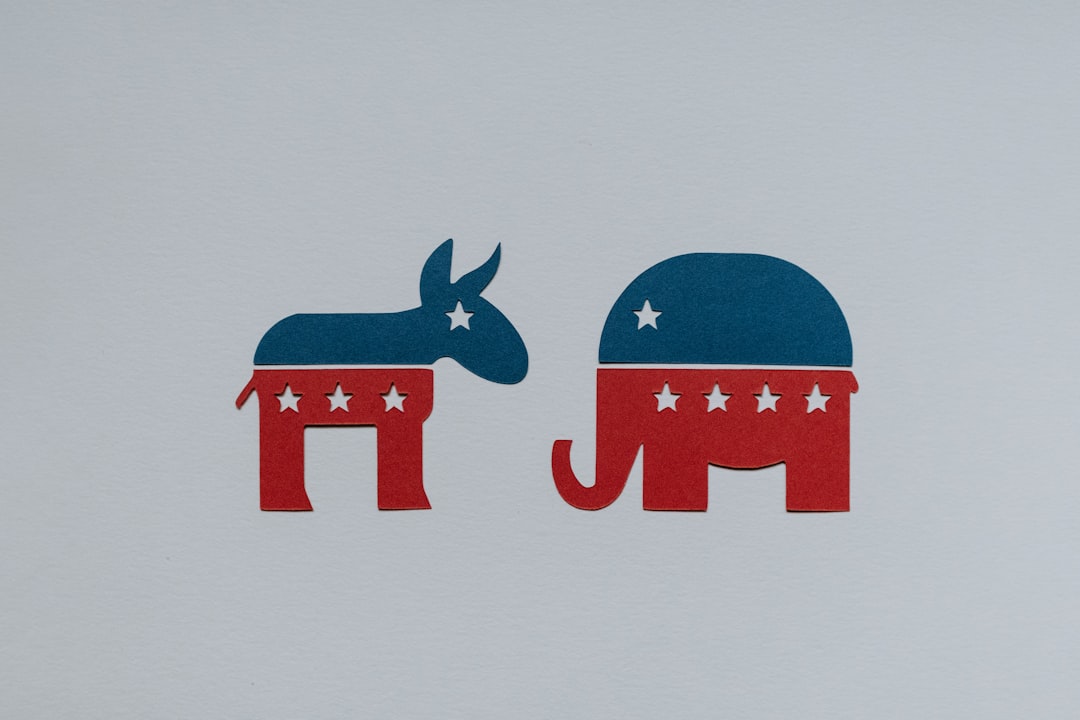
Where are the Democratic and Republican parties going next?
As the political landscape shifts in America, the upcoming primaries for Congress and governor play a pivotal role in determining the trajectory of the Democratic and Republican parties. These contests are not merely about selecting candidates for the midterm elections; they also represent early battlegrounds that will help define each party’s identity and strategy moving forward after the 2024 election. In this article, we will delve into the significance of these primaries, the candidates to watch, and the broader implications for both parties.
Quick Takeaways
- Upcoming primaries will influence party strategies post-2024.
- Both parties face challenges in candidate selection.
- Key races will highlight ideological divides within each party.
- Voter turnout will be crucial in shaping outcomes.
- Incumbents face varying levels of competition.
- Local issues will drive candidate platforms.
The Importance of Primaries
Primaries serve as a critical mechanism in the democratic process, allowing party members to select their candidates for the general election. They are often seen as a reflection of the party’s values and priorities, making them essential in understanding where the parties are headed.
Current Political Climate
The political environment leading into the 2024 election is charged with tension. Both parties are grappling with internal divisions and external pressures that will inevitably influence their strategies going into the primaries.
Democratic Party Dynamics
The Democratic Party is currently navigating a landscape marked by progressives and moderates vying for influence. The primaries will reveal which faction holds sway and how the party plans to address key issues such as climate change, healthcare, and economic inequality.
Key Democratic Primaries to Watch
- Governorship races in key states like Pennsylvania and Michigan.
- Contested congressional districts where incumbents face challenges.
Republican Party Challenges
Similarly, the Republican Party is facing its own set of challenges, with traditional conservatives clashing with a more populist faction. Understanding these dynamics will be crucial as the party prepares for the upcoming election cycle.
Critical Republican Primaries
- Contested seats in battleground states.
- High-profile gubernatorial races that could signal party direction.
The Role of Voter Turnout
Voter turnout is perhaps the most significant factor in determining the outcome of primaries. Engaging voters and mobilizing grassroots support will be essential for both parties as they prepare for these crucial contests.
Local Issues Driving Primaries
Local concerns will play a significant role in shaping candidates’ platforms. Issues such as education, healthcare, and public safety will resonate differently across states and districts, influencing primary outcomes.
Incumbents vs. Challengers
Incumbents often have the advantage of name recognition and established donor networks, but they also face the risk of being seen as out of touch with the party base. Challengers will seek to capitalize on this sentiment.
Notable Incumbent Challenges
- Incumbents facing primary challenges from within their party.
- Strategies challengers might employ to unseat incumbents.
Future Implications for the Parties
The outcomes of these primaries will have lasting implications for both parties as they approach the 2024 election. They will shape candidate strategies, party messaging, and ultimately, the political landscape of the country.
Related Resources
Frequently Asked Questions
What are primaries?
Primaries are elections in which party members select candidates to run in the general election.
Why are primaries important?
They determine the candidates who will represent each party in the general election and reflect party dynamics.
How do primaries affect party strategy?
Primaries can reveal voter preferences and priorities, influencing how parties position themselves on key issues.
What is voter turnout?
Voter turnout refers to the percentage of eligible voters who participate in an election.
What local issues are influencing primaries?
Local issues such as education, healthcare, and public safety will significantly impact candidate platforms.
What challenges do incumbents face in primaries?
Incumbents may be viewed as out of touch and can face strong challenges from within their party.
How can candidates engage voters?
Candidates can engage voters through grassroots campaigns, town halls, and social media outreach.
Conclusion
The upcoming primaries will not only determine the candidates for the midterm elections but will also serve as a reflection of the Democratic and Republican parties’ futures. As both parties navigate their internal challenges and the external political landscape, these early contests will offer a glimpse into their strategies and priorities moving forward. Understanding the dynamics at play in these primaries will be essential for anyone looking to grasp the evolving American political landscape. As we approach 2024, all eyes will be on these pivotal races that could shape the narrative for years to come.
Photo by Kelly Sikkema on Unsplash
